🖍️Shop Giraffe Coloring Books –>
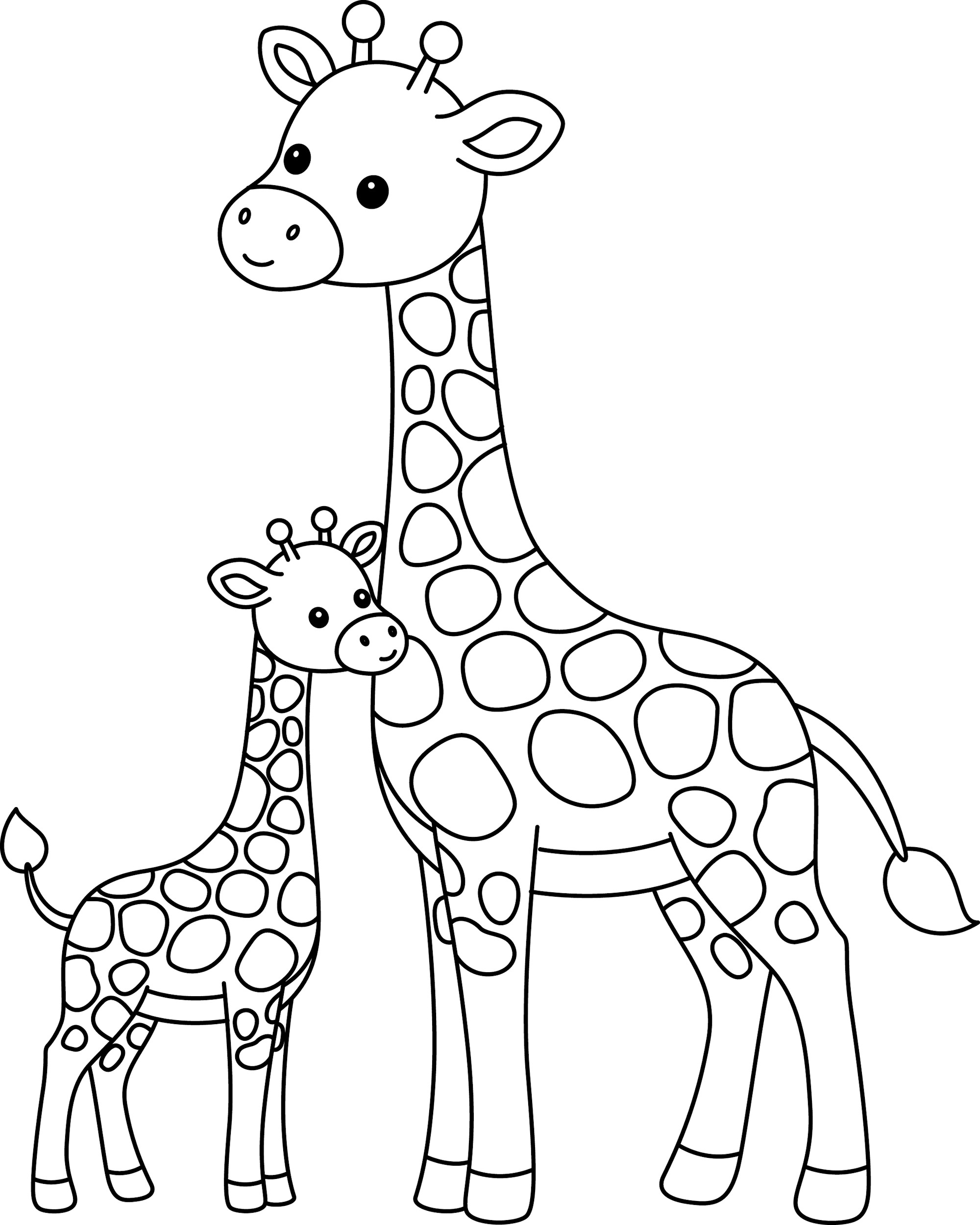
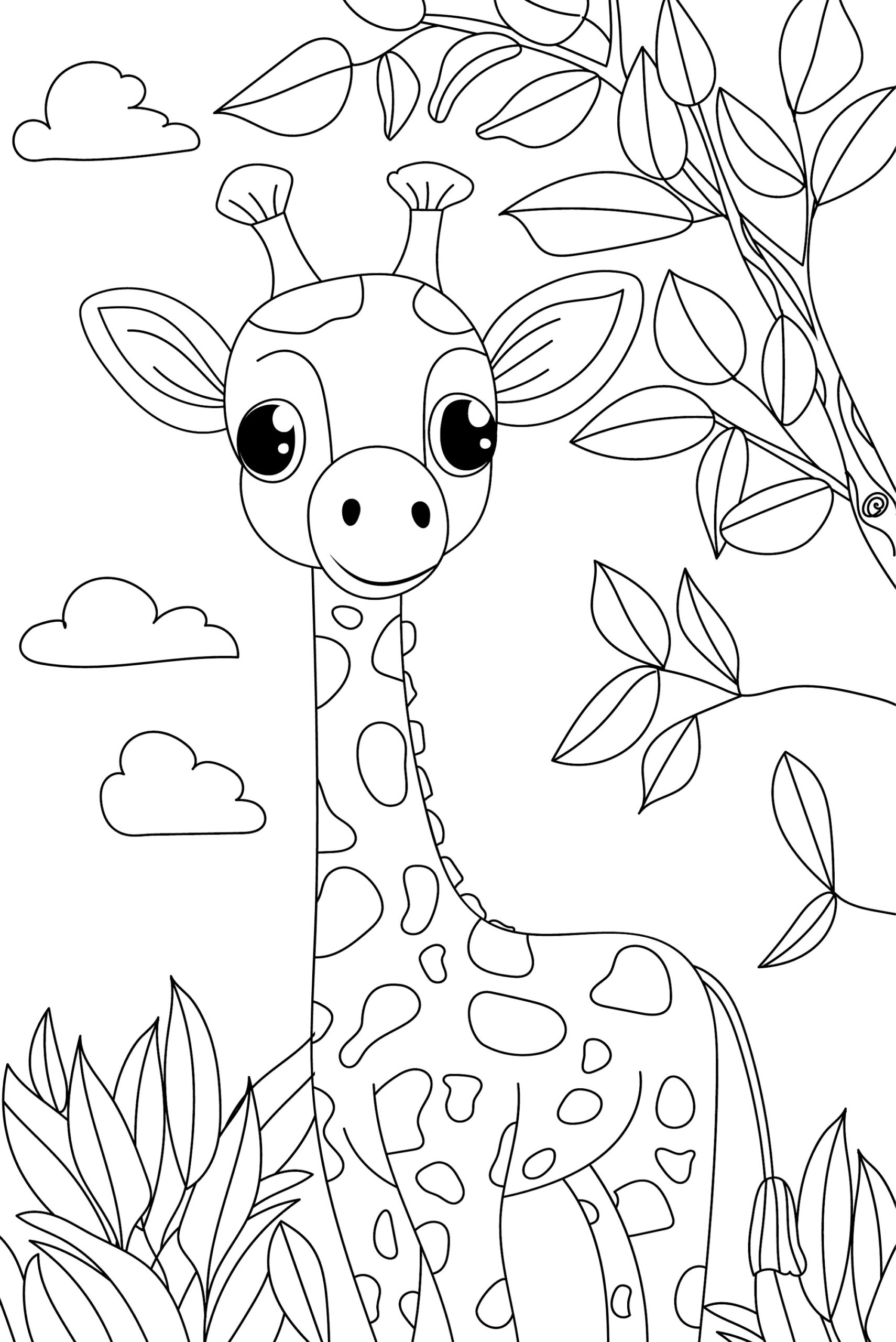
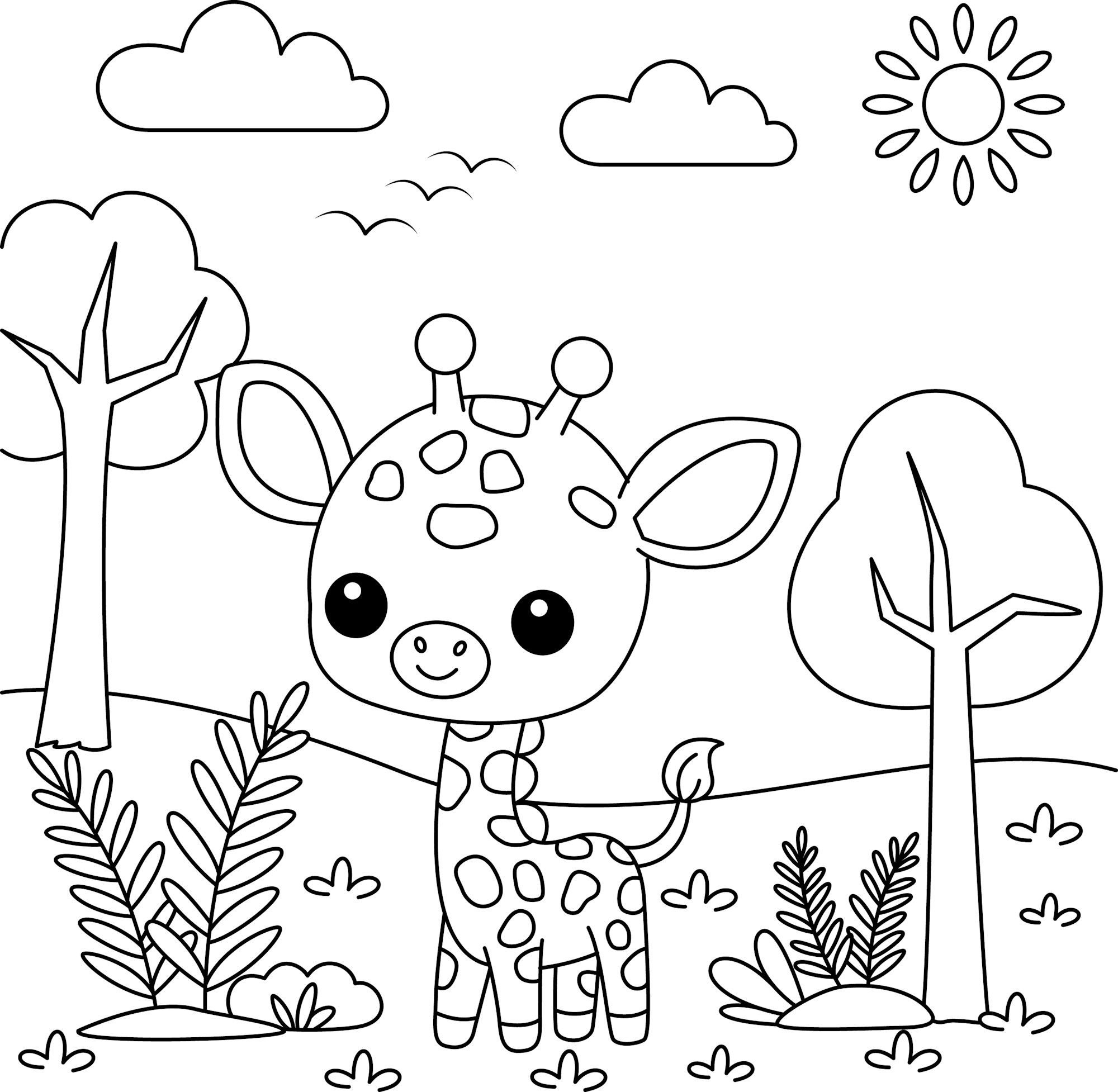
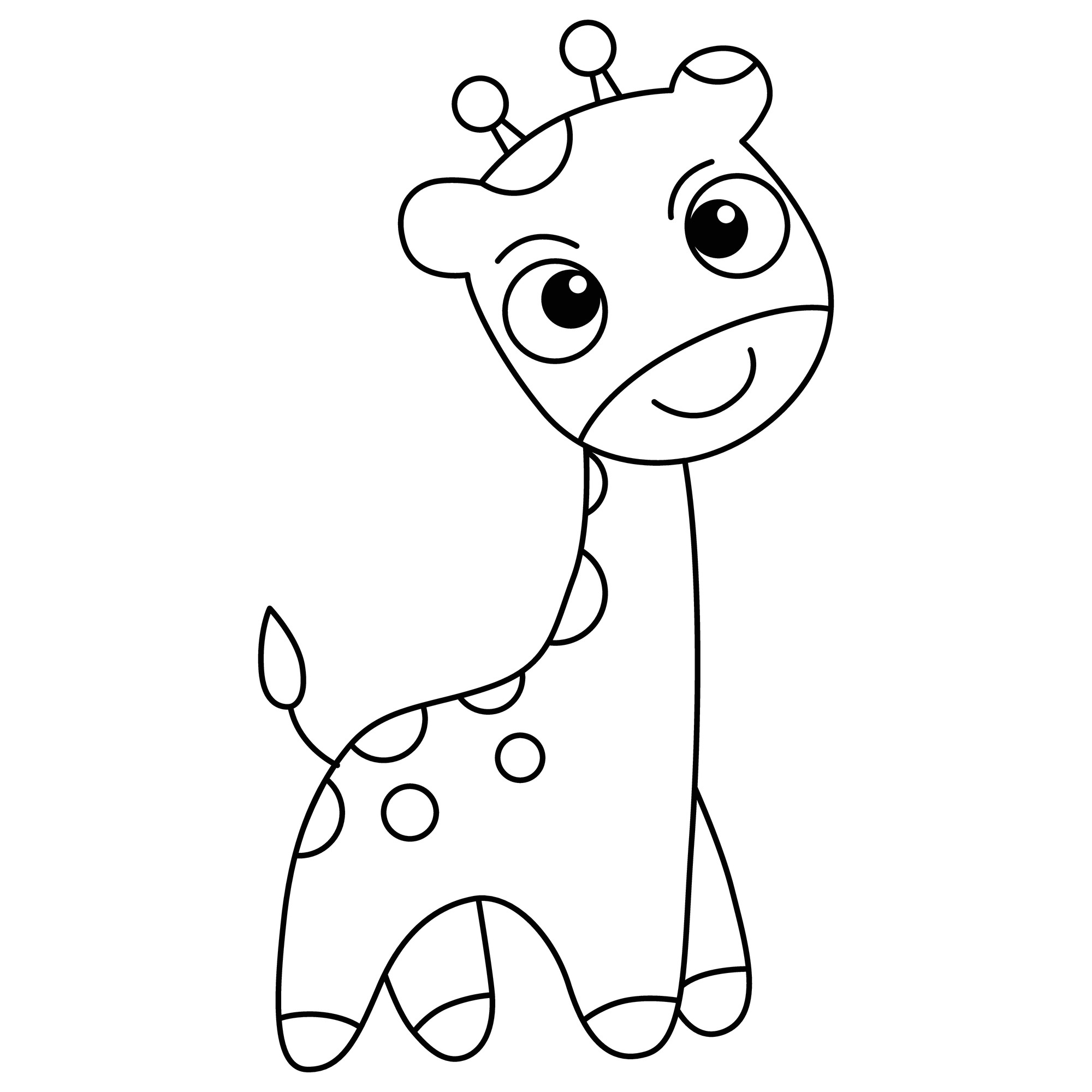
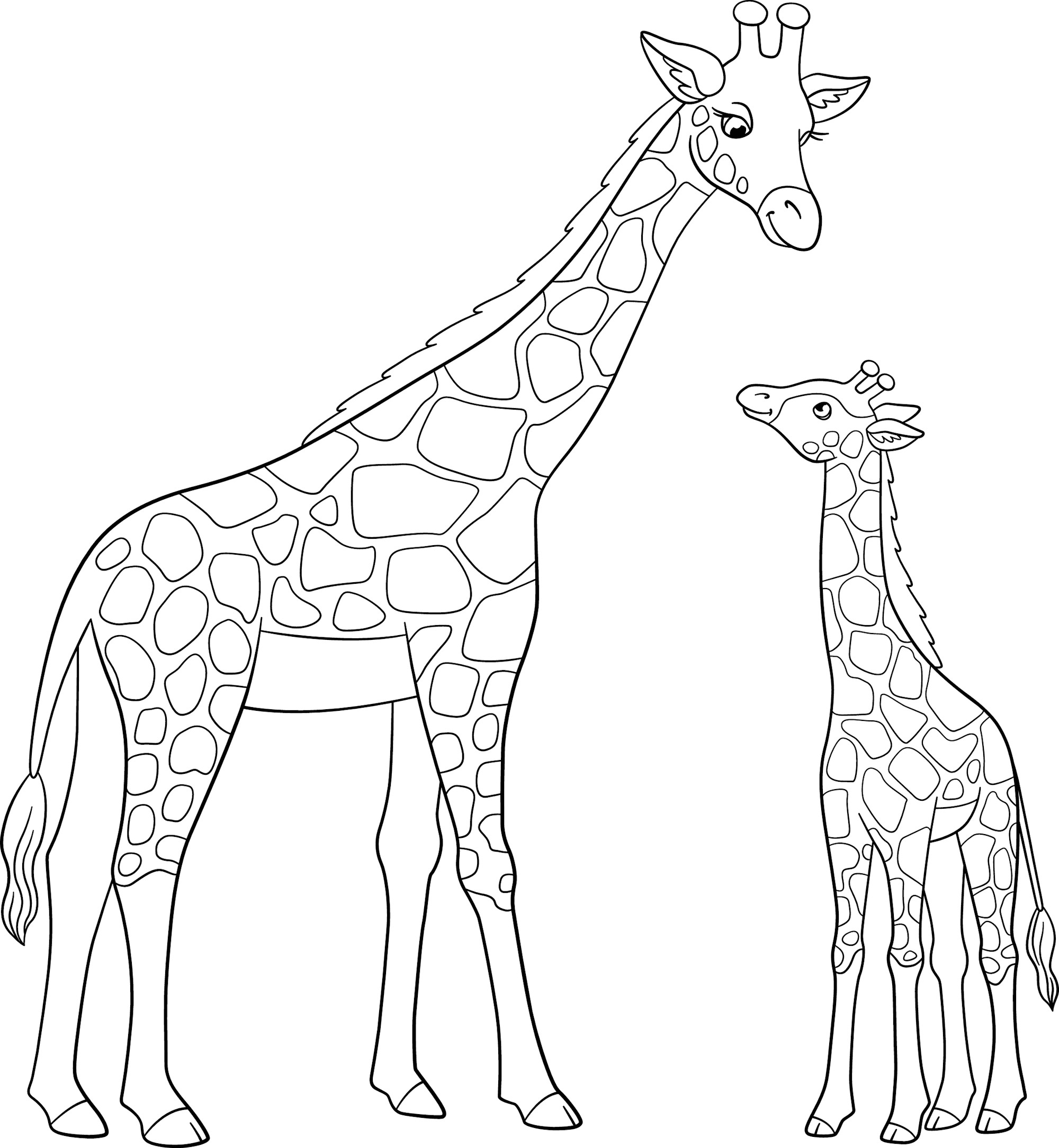
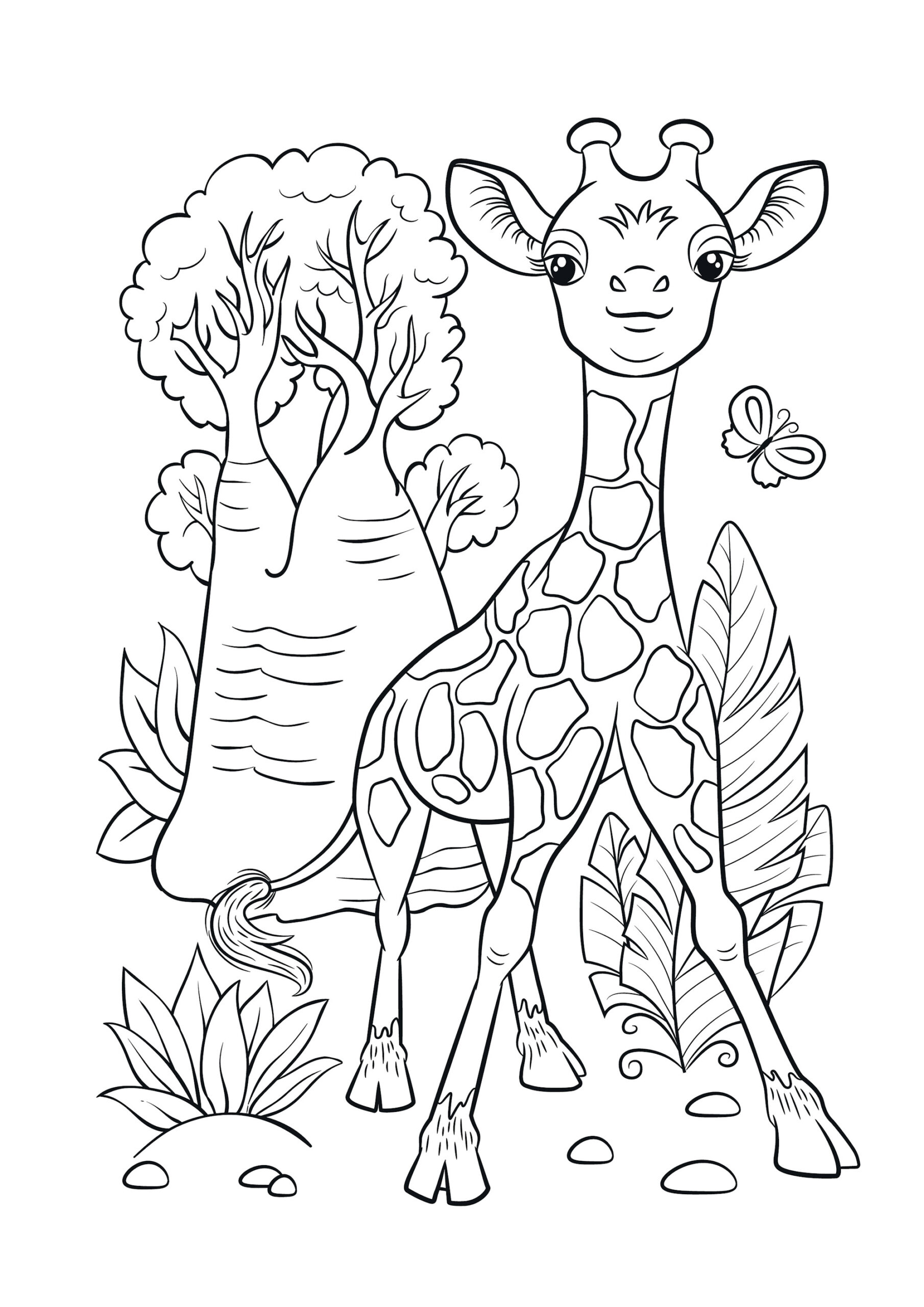
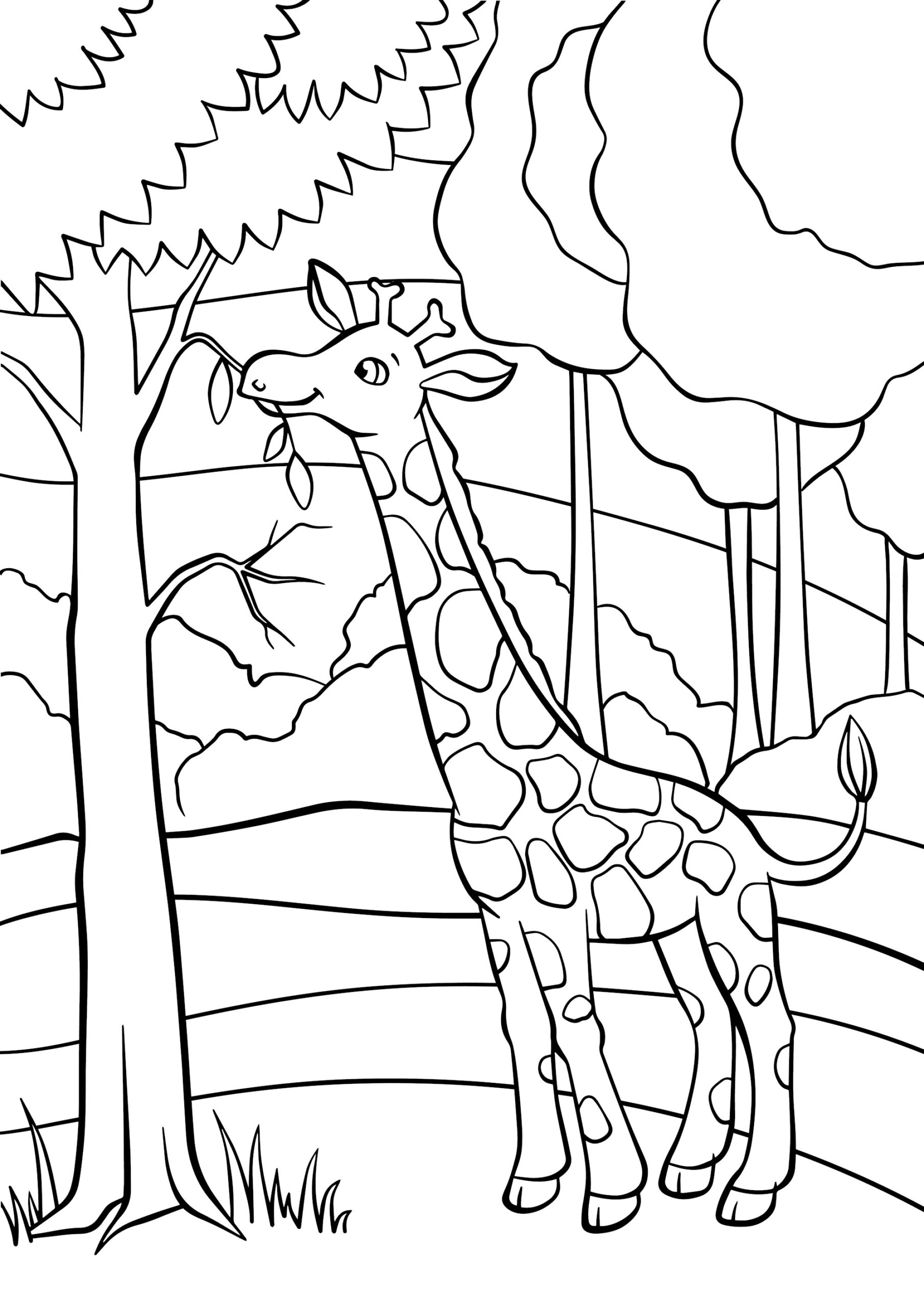
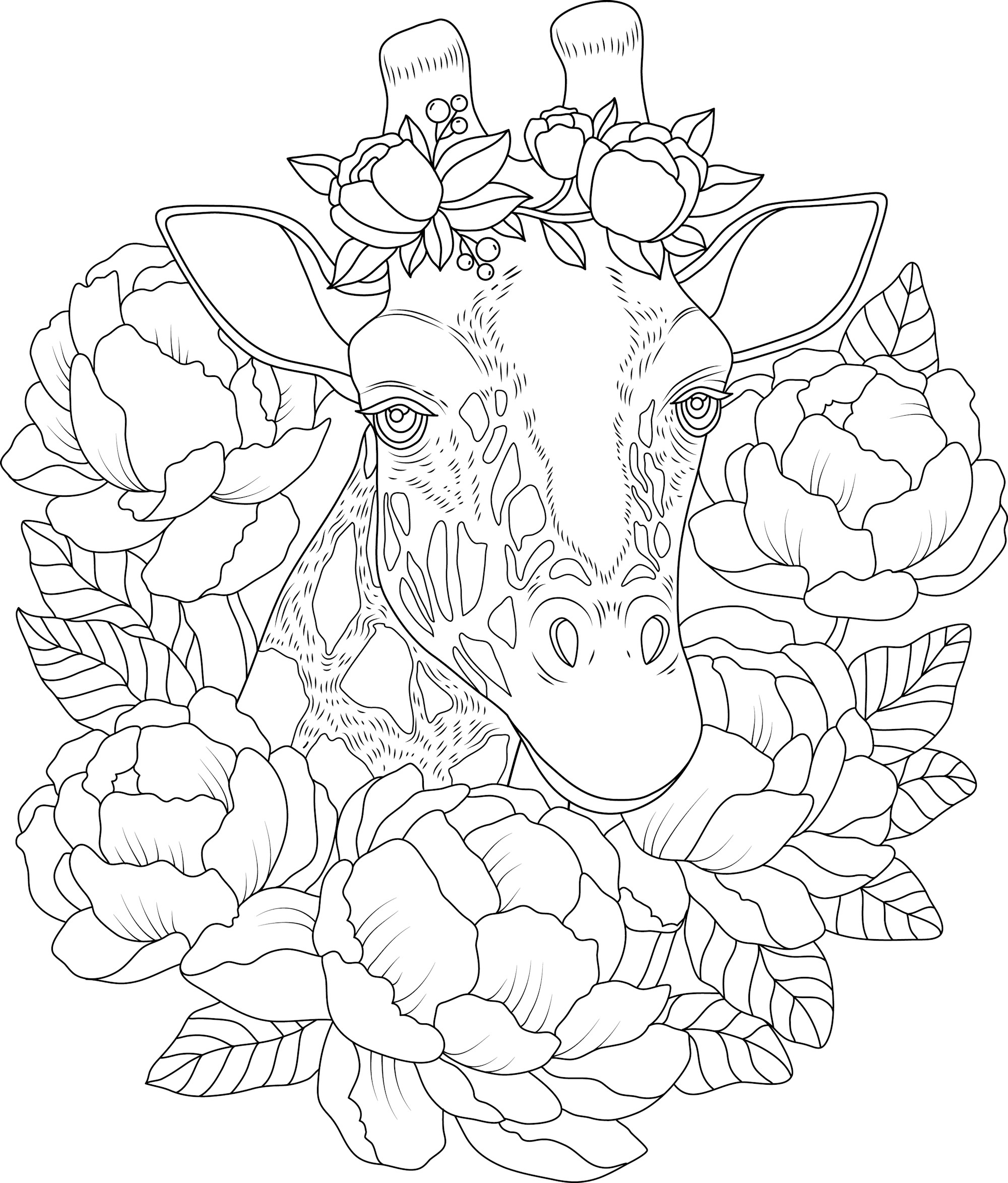
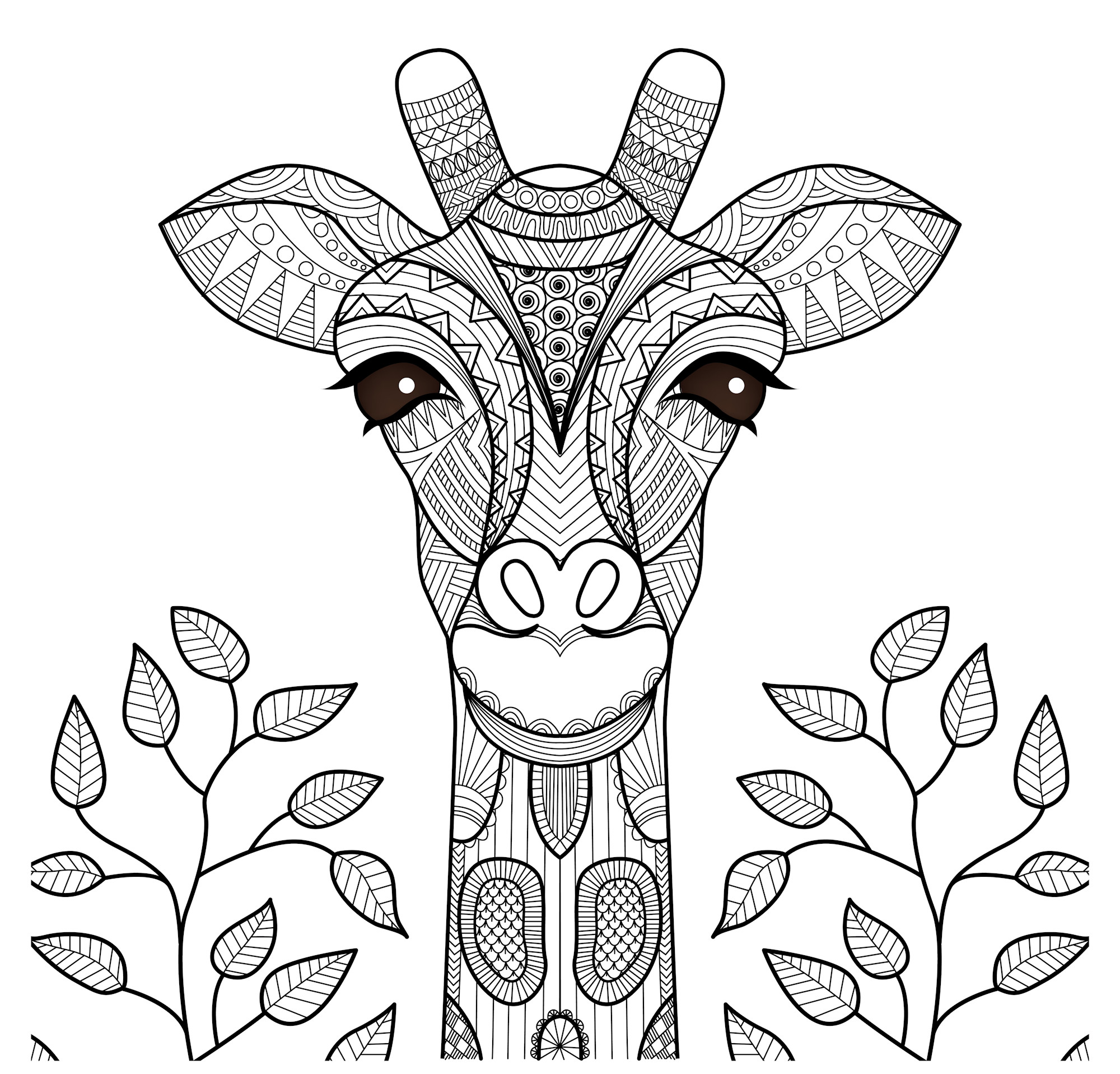
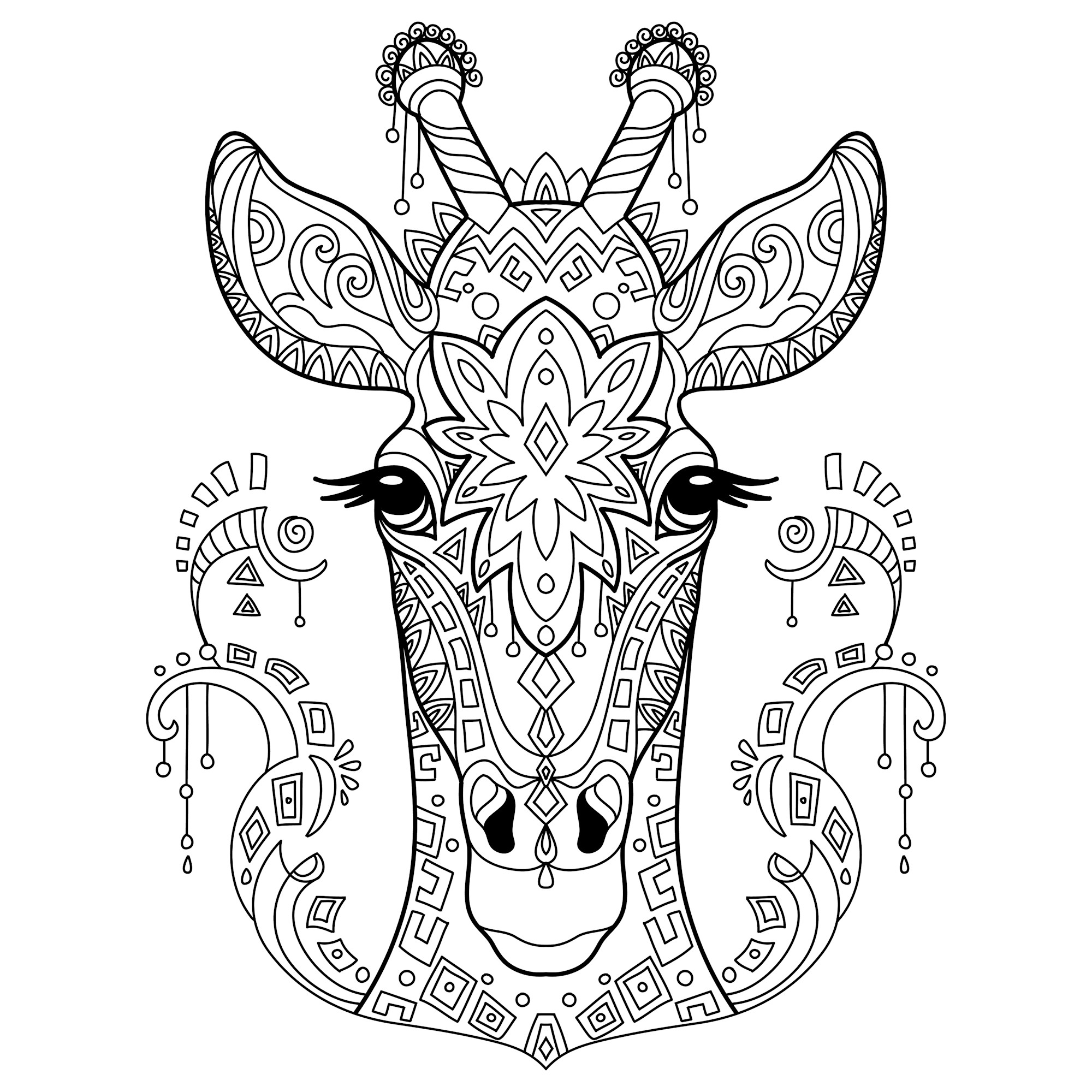
Reach for the treetops with our collection of giraffe coloring pages, featuring adorable baby giraffes, mothers and calves, giraffes munching leafy branches, floral designs, cute cartoon characters, and intricate zentangle artwork.
With their incredibly long necks, distinctive patches, large eyes, and towering legs, giraffes are some of the easiest animals in the world to recognize—and some of the most fun to color. Younger children can enjoy the simpler kawaii and cartoon giraffes, while older kids and adults can spend more time filling detailed floral and patterned designs.
Traditional giraffe colors of golden yellow, tan, brown, and cream are always beautiful, but your coloring-page giraffe can be anything you imagine. Create a pink giraffe with purple patches, a rainbow-spotted calf, or a turquoise zentangle giraffe surrounded by flowers.
Grab your crayons, markers, or colored pencils and begin your colorful safari.
🖍️ Shop Giraffe Coloring Books
🦒 Explore Our Giraffe Coloring Pages
This collection includes several different styles of giraffe artwork, giving colorists plenty of choices.
You’ll find a cute kawaii giraffe and baby, a mother giraffe standing beside her little calf, simple giraffe pages for children, and a sweet little giraffe eating leaves in the forest. There is also a beautiful giraffe surrounded by flowers and two detailed giraffe-head designs featuring doodle and zentangle-inspired patterns.
That range makes the collection useful for quick coloring activities as well as longer art projects. Younger children can focus on large spots and simple shapes, while older artists can experiment with shading, repeating patterns, gradients, and carefully coordinated color palettes.
For even more wildlife to color, explore our Animal Coloring Pages.
💕 Cute Kawaii Giraffe and Baby
The kawaii giraffe and baby coloring page is one of the sweetest designs in the collection.
Traditional giraffe colors work beautifully here. Use warm yellow or golden tan for the body, brown for the patches, and cream around the face and underside.
Or lean into the kawaii style with pastel colors.
Try:
- Peach and pink
- Lavender and purple
- Mint and turquoise
- Pale yellow and orange
- Baby blue and gray
Add rosy cheeks, hearts, flowers, clouds, or stars around the giraffes to make the scene even cuter.
Kids can also give the pair names and imagine where they are going together.
👩👧 Mother and Baby Giraffe Coloring Page
A mother giraffe standing beside her calf creates a lovely animal-family scene.
A baby giraffe is called a calf, and newborn giraffes are already remarkably tall. Their long legs help them begin navigating the world very soon after birth.
For the coloring page, try giving the mother darker patches and the calf slightly softer, lighter colors.
Then create an African habitat around them.
Add:
- Golden grass
- Acacia-like trees
- Shrubs
- Blue sky
- Distant hills
- Birds
- A watering hole
The finished picture can become an entire safari scene rather than just two animals on a page.
🌿 Little Giraffe Eating Leaves
One of the designs shows a little giraffe eating leaves in the forest, which fits perfectly with real giraffe feeding behavior.
Giraffes are browsers, meaning they feed primarily from trees and shrubs rather than grazing mostly on grass. Their height allows them to reach vegetation that many other animals cannot.
Color the giraffe first, then make the leaves especially lush.
Instead of using only one green, try several:
- Lime
- Sage
- Olive
- Emerald
- Forest green
- Yellow-green
Add more branches around the animal and imagine it reaching for the tastiest leaves at the very top.
🌳 Why Are Giraffe Necks So Long?
The giraffe’s extraordinary neck is its most recognizable feature.
That height helps giraffes reach leaves high in trees, particularly vegetation that many shorter herbivores cannot easily access.
Interestingly, giraffes still have seven neck vertebrae, the same number found in humans. The individual giraffe vertebrae are simply much longer.
That makes a fun comparison activity.
Ask children to touch their own neck and imagine what it would be like if those same basic neck bones were stretched into a giraffe-sized neck.
Then color the giraffe from head all the way down to its enormous body.
🟤 Giraffe Spot Coloring Ideas
The patches are one of the best parts of a giraffe coloring page.
For a nature-inspired giraffe, try a pale golden or cream background with patches in:
- Chocolate brown
- Chestnut
- Rust
- Caramel
- Reddish brown
You do not need to color every patch exactly the same.
Make some lighter and some darker to give the animal more visual texture.
You can also add shading around the edges of the patches with colored pencil, creating more depth without making the page overly complicated.
🧩 Every Giraffe Has Its Own Pattern
Giraffe coat patterns are useful for identifying individual animals because the arrangement of patches differs from one giraffe to another.
That makes a giraffe coloring page a natural pattern activity.
Instead of simply filling the existing patches, children can add extra markings or invent their own.
Try:
- Tiny patches
- Huge patches
- Heart-shaped patches
- Stars
- Flowers
- Swirls
- Rainbow sections
Then give the imaginary giraffe a name.
Older children can even create several giraffes with different patterns and pretend they are wildlife researchers trying to identify each animal.
🌈 Create a Rainbow Giraffe
A real giraffe may be golden and brown, but coloring pages do not have to follow nature.
Turn every patch into a different color.
Try:
Rainbow Giraffe: red, orange, yellow, green, blue, and purple
Candy Giraffe: pink, lavender, mint, peach, and baby blue
Sunset Giraffe: gold, orange, coral, pink, and violet
Moonlight Giraffe: navy, turquoise, lavender, gray, and silver
Jungle Giraffe: lime, emerald, teal, brown, and gold
You could keep the body cream and make only the patches colorful, or transform the entire animal.
🌸 Giraffe in Flowers Coloring Page
The giraffe surrounded by flowers brings together wildlife and botanical coloring.
Keep the giraffe relatively neutral and let the flowers provide the brightest colors on the page.
Try pink, yellow, lavender, coral, blue, and purple blooms surrounded by several greens.
Or reverse the idea.
Color the flowers in soft creams and greens while turning the giraffe into a vibrant fantasy animal.
This page can also connect naturally with our Coloring Pages of Flowers and Coloring Pages of Gardens.
🌀 Zentangle Giraffe Head
The zentangle giraffe head is ideal for older children, teens, and adults who enjoy more intricate coloring pages.
Instead of treating the animal as one large golden shape, give every small decorative section its own shade.
A limited palette can make the design especially striking.
Try:
Safari Palette: gold, rust, brown, olive, and cream
Jewel Palette: turquoise, sapphire, emerald, purple, and gold
Sunset Palette: orange, coral, pink, violet, and yellow
Cool Palette: navy, aqua, teal, lavender, and silver
Fine-tip markers and sharpened colored pencils can make the smaller spaces easier to fill.
✨ Detailed Giraffe Doodle Coloring Page
Another giraffe-head design features elaborate doodle and zentangle elements, creating a coloring page that can take much longer to complete.
There is no need to color every tiny pattern at once.
Work one section at a time and repeat favorite colors throughout the design.
You can also experiment with light-to-dark gradients. Begin with pale turquoise in one section, for example, and gradually move toward dark blue.
Metallic pencils or gel pens can make selected patterns stand out even more.
The result can feel less like a traditional children’s coloring page and more like a finished piece of decorative artwork.
🎨 What Colors Are Giraffes?
Natural giraffes usually combine warm tan, cream, yellowish, brown, and reddish-brown shades.
However, there can be considerable variation in coat pattern and coloration.
For a realistic palette, try layering:
- Cream
- Pale yellow
- Golden tan
- Caramel
- Chestnut
- Rust
- Chocolate brown
Instead of pressing hard with one crayon, older children can build several light layers of colored pencil.
This makes it easier to create gradual changes between the body and darker patches.
👅 Giraffes Have Amazing Tongues
A giraffe’s tongue can reach roughly 19 inches in length, helping the animal pull leaves from branches.
Its tongue is also famously dark in color, often appearing blue-black or purple toward the exposed portion.
That gives you one surprising detail to add to a giraffe coloring page.
If the animal is eating leaves, color the tongue deep purple, bluish black, or violet rather than pink.
Kids might be surprised to learn that one of the strangest colors on a realistic giraffe picture could be its tongue.
🌳 Design a Giraffe Habitat
Choose one of the simpler giraffe pages and transform the empty space around it into a complete African landscape.
Add:
- Trees
- Shrubs
- Tall grasses
- Rocks
- Water
- Clouds
- Birds
- Distant hills
Use golden yellows, tans, and warm browns for dry grasses, then add rich greens around trees and shrubs.
A bright blue sky can make the giraffe stand out, while an orange and pink sunset creates an entirely different atmosphere.
For more outdoor coloring inspiration, explore our Nature Coloring Pages.
🌅 Create a Giraffe Sunset
Long-necked giraffes make especially dramatic silhouettes at sunset.
Color the giraffe normally, then transform the background using:
- Yellow near the horizon
- Golden orange
- Coral
- Pink
- Purple
- Deep blue
Add a dark tree silhouette beside the animal and let the giraffe’s long neck rise into the colorful sky.
You could also color the giraffe itself almost entirely dark to create a silhouette effect.
The same printable can look completely different simply by changing the time of day.
🦒 Giraffes Are the Tallest Land Animals
Giraffes are the tallest living land animals.
Adult males can reach around 18 feet tall, while females are generally somewhat shorter.
Their height makes a fun measurement activity for kids.
Mark 18 feet on a wall, hallway, playground, or outdoor space if you have enough room and compare it with a child’s height.
How many children standing one above another would it take to reach giraffe height?
Even without actually stacking anyone—which is definitely not recommended!—kids can use rulers, measuring tapes, or paper strips to estimate the difference.
❤️ A Powerful Heart
Being incredibly tall creates an unusual challenge: blood has to travel a long way from a giraffe’s heart to its brain.
Giraffes have powerful cardiovascular adaptations that allow blood to circulate through that extraordinary body.
A giraffe’s heart can weigh around 24 pounds, far more than a human heart.
Older children can compare that weight with familiar objects.
How many one-pound packages would equal the weight of the giraffe’s heart?
Animal facts can become surprisingly useful math problems.
🍼 Baby Giraffe Facts
Giraffe calves enter the world already much taller than most adults humans.
A newborn calf can stand around 6 feet tall, depending on the individual.
After coloring the mother-and-baby picture, measure six feet on a wall or floor.
Is the newborn giraffe taller than you?
Probably!
Children can create a height chart comparing:
- Themselves
- A newborn giraffe
- An adult giraffe
This can turn one coloring page into a fun measurement activity.
🌍 Where Do Giraffes Live?
Wild giraffes live in Africa, where different populations occupy savannas, woodlands, shrublands, and other habitats.
This makes giraffe coloring pages easy to combine with basic geography.
Find Africa on a globe or world map.
Then add some other animals associated with African habitats to your coloring collection.
You might include:
- Elephants
- Rhinos
- Zebras
- Lions
- Monkeys
Each animal can become its own page in a homemade African wildlife book.
🦓 Create an African Safari Collection
A giraffe is only the beginning.
Build an entire paper safari using several of our animal collections.
Start with Coloring Pages of Zebras, then add Coloring Pages of Elephants and Coloring Pages of Rhinos.
Children can color each animal and write its name underneath.
Older kids can add:
- Diet
- Habitat
- Continent
- Size
- One interesting fact
Staple the completed pages together to create a homemade safari book.
🐘 Giraffe vs. Elephant
Giraffes and elephants are both enormous African mammals, but their bodies are adapted in very different ways.
Compare the two coloring pages.
Look at:
- Height
- Neck
- Ears
- Legs
- Skin
- Tail
- Feet
- Body shape
An elephant has a trunk and an enormous body, while a giraffe has an exceptionally long neck and patterned coat.
Children can divide a sheet of paper in half and draw one animal on each side.
Then list the similarities and differences.
🦓 Giraffe vs. Zebra Patterns
Giraffes and zebras are also perfect animals for exploring patterns.
A giraffe is covered in patches, while zebras are famous for stripes.
Color one of each and compare them side by side.
Then invent a new African animal combining both patterns.
Maybe it has giraffe-shaped patches on its body and zebra stripes on its legs.
Give the imaginary animal a name and decide where it lives.
This makes a particularly fun pattern activity for younger children.
🦁 Make a Pretend Zoo
Giraffes are favorite zoo animals, so the coloring pages fit perfectly into a pretend-zoo activity.
Color several animals and give each one its own display.
Add:
- Giraffe
- Elephant
- Lion
- Zebra
- Monkey
- Tiger
- Rhino
Children can make little informational signs containing each animal’s name and habitat.
Then arrange the completed artwork around the classroom or playroom and take a pretend tour.
For more animals, visit our Zoo Animal Coloring Pages.
🔤 G Is for Giraffe
Younger children can combine coloring with alphabet practice.
Write:
G g
Then practice saying:
G is for giraffe.
Think of other G words:
- Garden
- Green
- Gold
- Grapes
- Goat
- Grass
Kids can draw a few of those objects around the giraffe.
Maybe the result is a golden giraffe standing in green grass beside a garden full of grapes.
Creative combinations make letter practice more memorable.
🔢 Count the Giraffe Spots
Giraffe patches also make easy counting activities.
Choose a section of the animal and count how many spots appear there.
Then try simple questions:
- How many spots are on the neck?
- How many are on the body?
- Which section has more?
- Can you color five spots brown?
- Can you make three spots purple?
For younger children, simply counting is enough.
Older kids can create addition problems using different groups of patches.
📏 How Tall Is a Giraffe?
Turn the giraffe’s height into a simple measurement project.
Draw several horizontal lines on a long piece of paper and label them:
3 feet
6 feet
9 feet
12 feet
15 feet
18 feet
Then mark approximately where the child would stand and where a tall adult male giraffe could reach.
The visual difference can make the animal’s size far easier to understand than simply reading a number.
✏️ Draw Your Own Giraffe
After coloring several giraffes, try drawing one.
Begin with a small oval for the head and attach it to an extremely long neck.
Add a large body, four long legs, ears, a tail, and the small horn-like structures on top of the head called ossicones.
Then cover the body with patches.
Cartoon giraffes do not need to be perfect. Their unusual proportions actually make them especially fun to draw.
Once finished, invent your own color scheme.
🟤 Design Your Own Giraffe Pattern
Draw a simple blank giraffe and leave its body completely unpatterned.
Then invent a new design.
Try:
- Traditional patches
- Tiny circles
- Giant blobs
- Hearts
- Flowers
- Stars
- Geometric shapes
- Rainbow sections
Make several imaginary giraffe species and give each one a name.
Perhaps the Starry Giraffe appears only at night, while the Flower Giraffe lives in magical gardens.
📖 Turn Your Giraffe Into a Story
The mother-and-calf and leaf-eating pictures are perfect story starters.
Give the young giraffe a name.
Maybe it is finally tall enough to reach a favorite branch. Perhaps it wanders away from its mother and meets a zebra near a watering hole.
The floral giraffe could live in an enchanted garden where every patch changes color when a flower blooms.
Older children can use several coloring pages as illustrations for different parts of the same story.
🌏 Learning About Giraffe Conservation
Wild giraffes face challenges that vary among species and populations, including habitat loss and fragmentation, as well as illegal hunting in some areas.
Conservation groups work with communities and wildlife managers to protect habitat, monitor giraffe populations, and restore giraffes to suitable landscapes where they have disappeared.
For younger children, the central idea can stay simple:
Wild animals need healthy places to live.
After coloring a giraffe, draw everything it might need around it—trees for food, open space, water, and a connected habitat.
🌱 Make a Giraffe Conservation Poster
Turn a finished coloring page into a wildlife poster.
Add a simple message such as:
Protect Giraffes
Wildlife Needs Wild Places
Help Giraffes Reach the Future
or
Celebrate Africa’s Tallest Animals
Draw trees, grasses, other wildlife, and perhaps a map of Africa around the page.
Older children can add a few researched giraffe facts underneath.
🏫 Giraffe Coloring Pages for the Classroom
Giraffe printables work well with animal, Africa, habitat, measurement, pattern, and zoo units.
Teachers and homeschool families can use them for:
- African animal lessons
- Mammal studies
- Zoo themes
- Habitat projects
- Measurement activities
- Pattern lessons
- Alphabet practice
- Counting
- Creative writing
- Early-finisher activities
- Classroom displays
Children can color a giraffe and write three facts beside it, or each student can create a different giraffe pattern for a colorful classroom herd.
For more learning activities, explore our Educational Coloring Pages & Activities.
✂️ Giraffe Coloring Page Crafts
Finished giraffe pictures can become much more than single coloring sheets.
Try turning them into:
- Safari posters
- Zoo displays
- Wildlife fact cards
- Homemade animal books
- Bookmarks
- Classroom decorations
- Story illustrations
- Habitat collages
- Height charts
- Bedroom artwork
Children can also cut out a completed giraffe and glue it onto a larger sheet of paper.
Add trees, grass, other animals, and a bright sunset to create a complete safari collage.
🖍️ Coloring Tips for Giraffe Patterns
For a traditional giraffe, color the lighter body areas first and save the darker patches until afterward.
Colored pencils can be especially useful because they allow you to layer several shades of brown.
Try golden yellow beneath the entire animal, then add caramel, chestnut, or dark brown to the patches.
Use darker shading underneath the belly, around overlapping legs, and beneath the head.
For zentangle giraffes, ignore realism and let every patterned section become its own miniature color experiment.
🖨️ How to Use Your Giraffe Coloring Pages
Choose your favorite giraffe design, print it, and gather crayons, markers, colored pencils, or other art supplies.
Regular printer paper works well for everyday coloring. Heavier paper may be helpful if you plan to use wet markers, paint, glue, glitter, or other craft materials.
Then decide what kind of giraffe will appear.
Will you make a realistic golden giraffe reaching into green trees? A sweet pastel baby? A brightly colored floral giraffe? An elaborate zentangle animal filled with jewel tones?
Every page gives you a new way to reach a little higher with your creativity.
🦒 Reach New Heights With Your Creativity
From cute kawaii giraffes and babies to mother-and-calf scenes, forest giraffes eating leaves, floral artwork, simple children’s designs, and intricate zentangle giraffe heads, this collection offers something for many ages and coloring styles.
Use natural golden browns, design a fantasy coat pattern, create an African habitat, compare giraffes with other safari animals, or turn your finished picture into a wildlife story.
Choose your favorite printable, grab your colors, and let your imagination stretch all the way to the treetops.
🖍️ Shop Giraffe Coloring Books
🔗 Related Articles
- Animal Coloring Pages
- Cute Coloring Pages
- Coloring Pages of Zebras
- Coloring Pages of Elephants
- Coloring Pages of Rhinos for World Rhino Day
- Coloring Pages of Monkeys
- Coloring Pages of Tigers
- Zoo Animal Coloring Pages
- Nature Coloring Pages
📚 Sources
- San Diego Zoo Wildlife Alliance — Giraffe
- Giraffe Conservation Foundation — Facts About Giraffe
- Giraffe Conservation Foundation — 14 Fascinating Facts About Giraffe
- Giraffe Conservation Foundation — Why Do Giraffe Have Spots?
- Giraffe Conservation Foundation — Why Are Giraffe Threatened?