🖍️Shop Dolphin Coloring Books –>
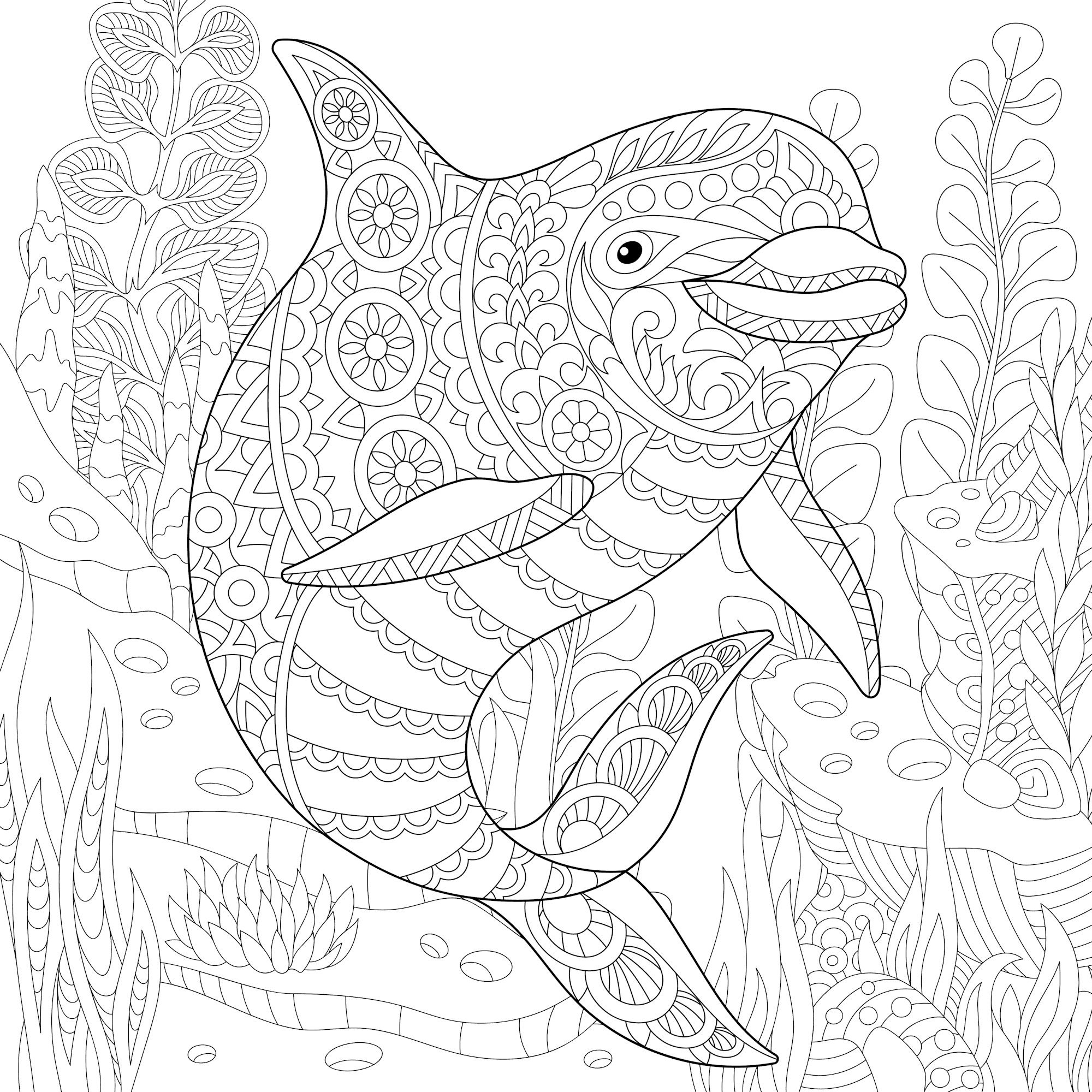
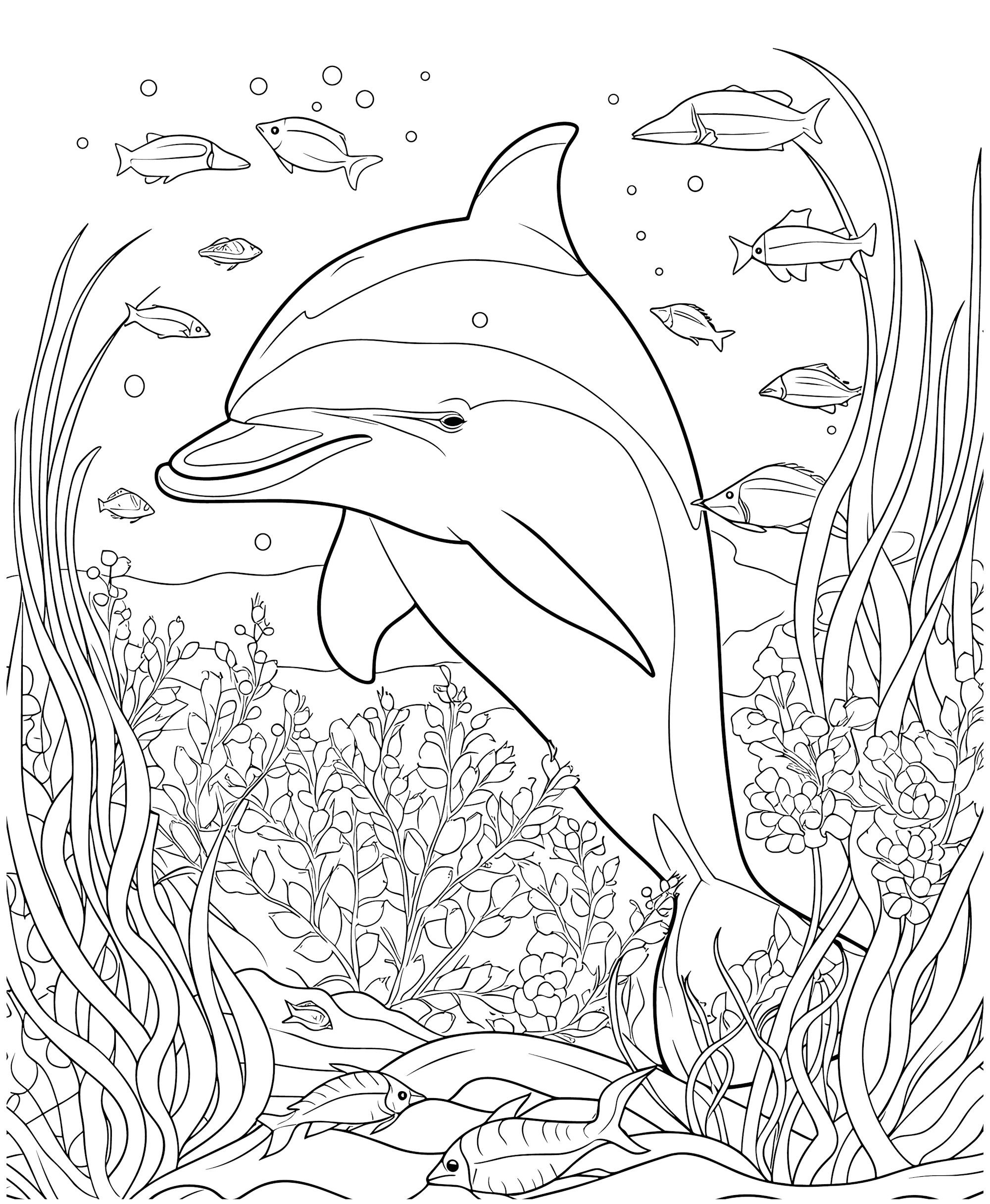
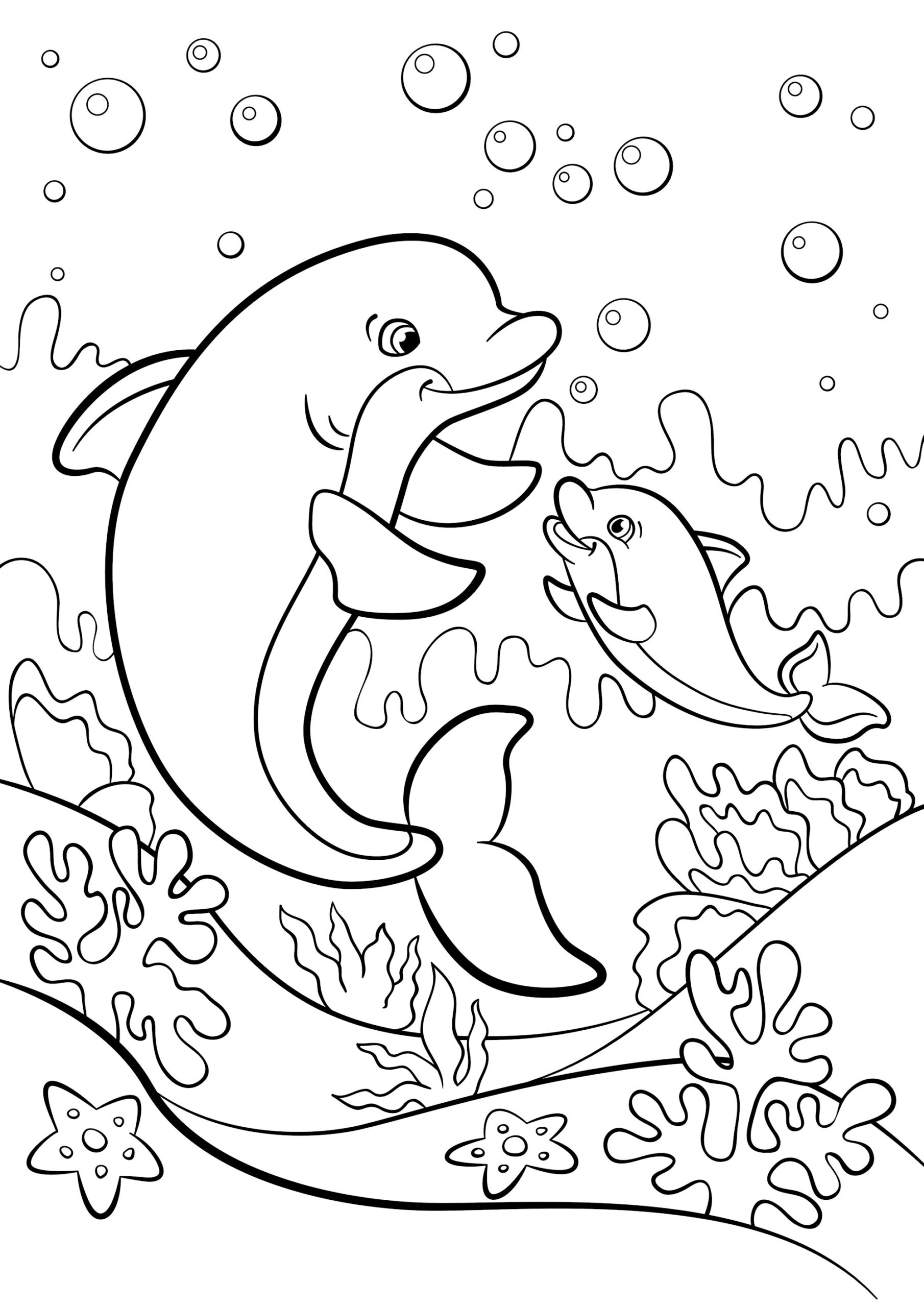
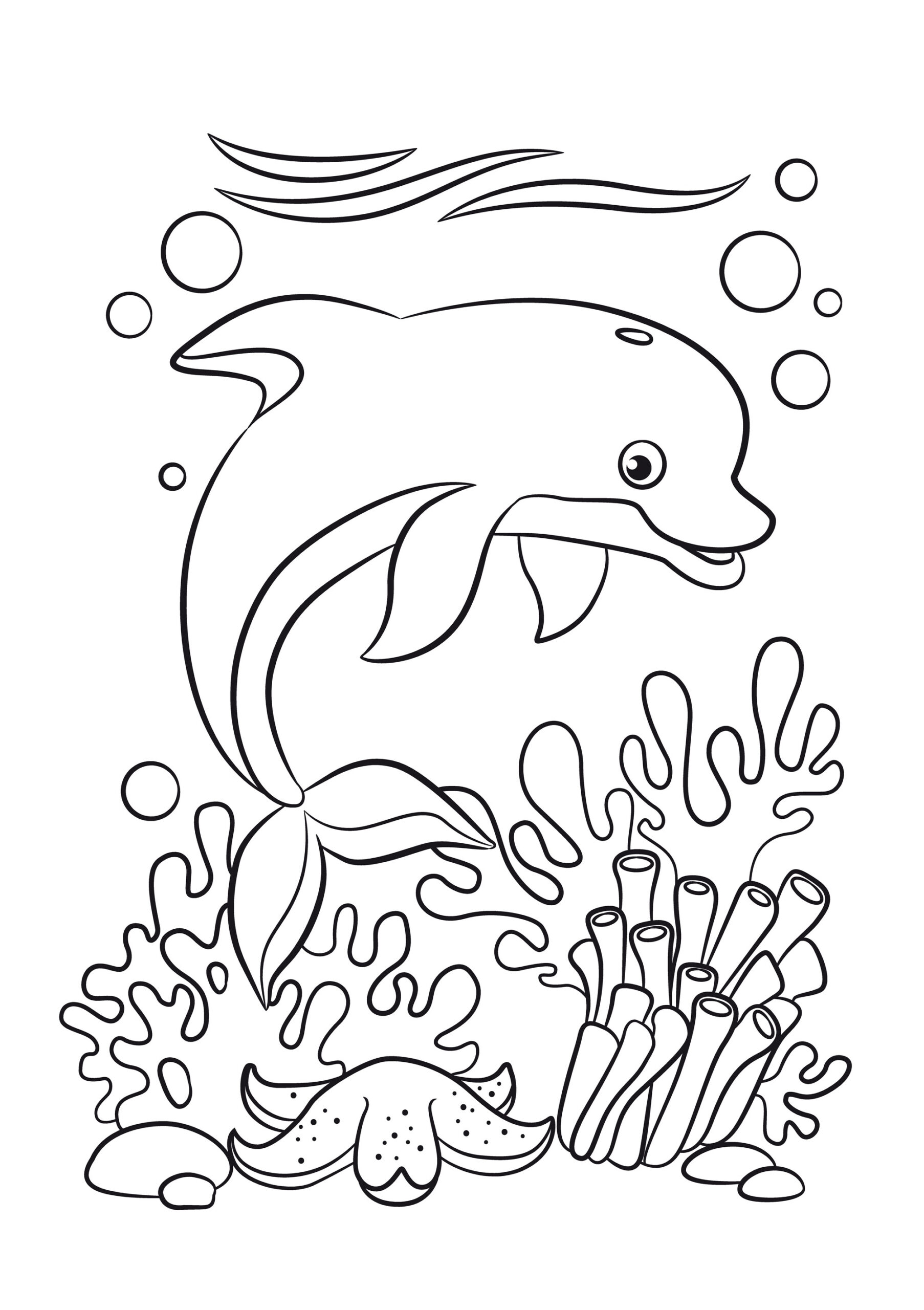
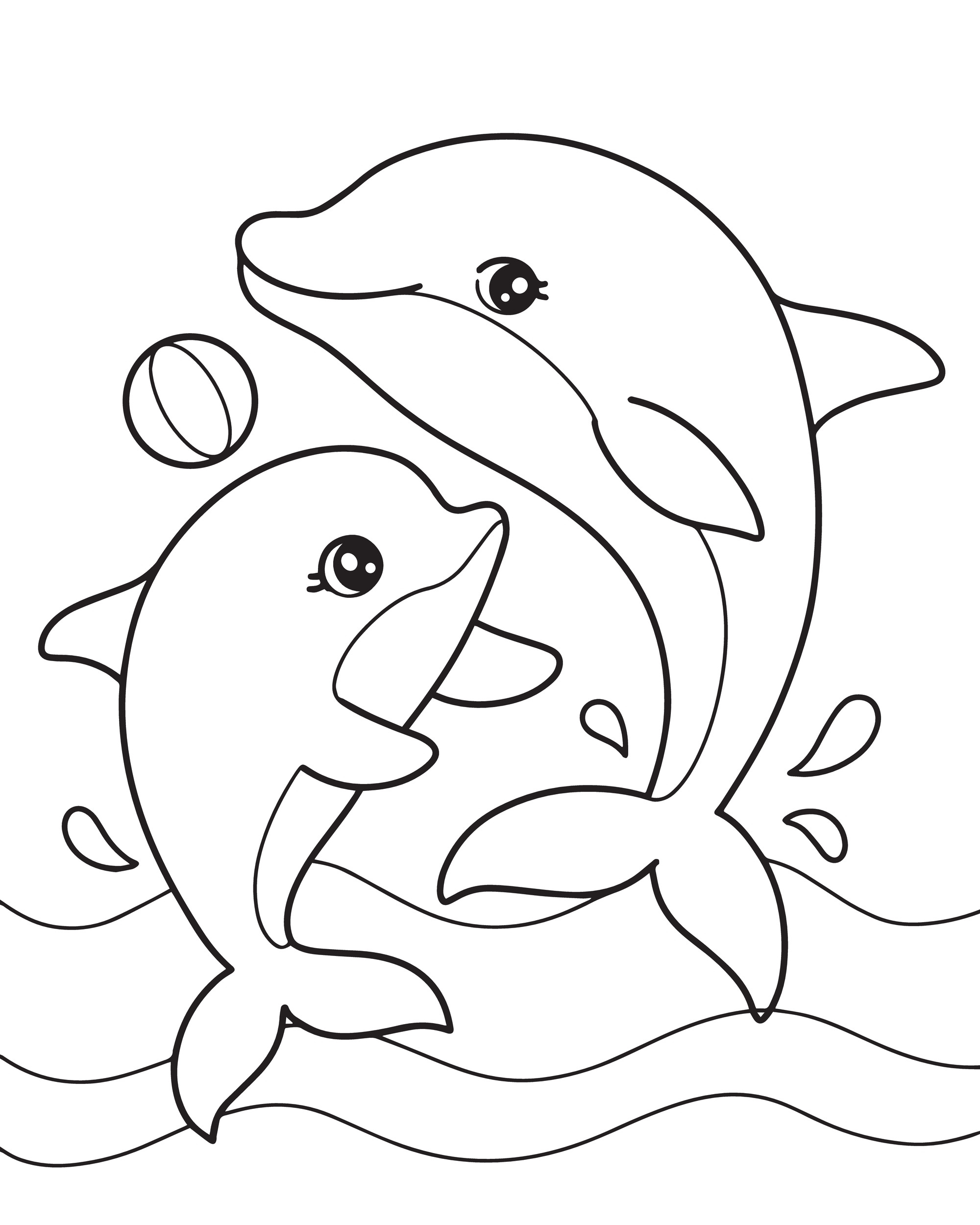
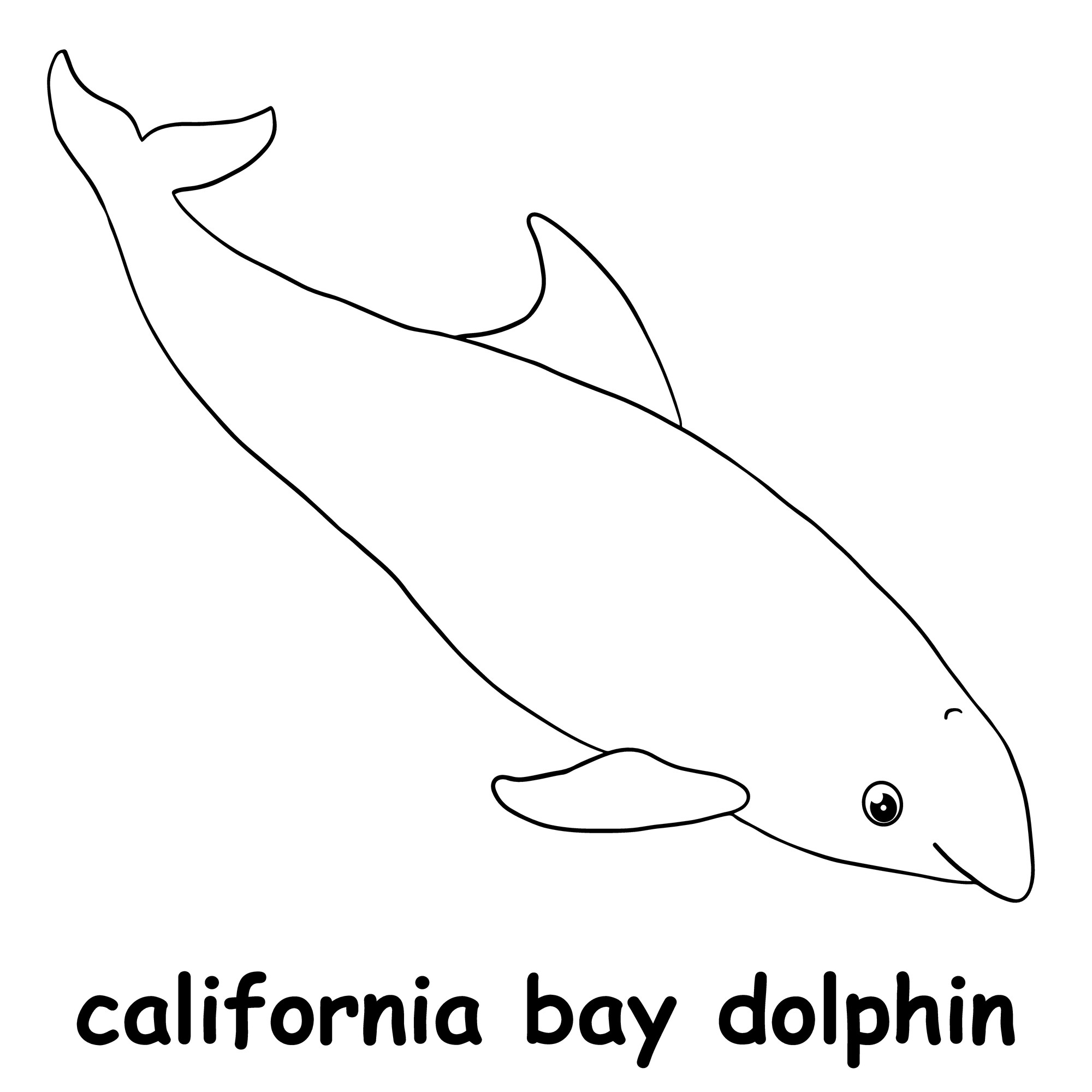
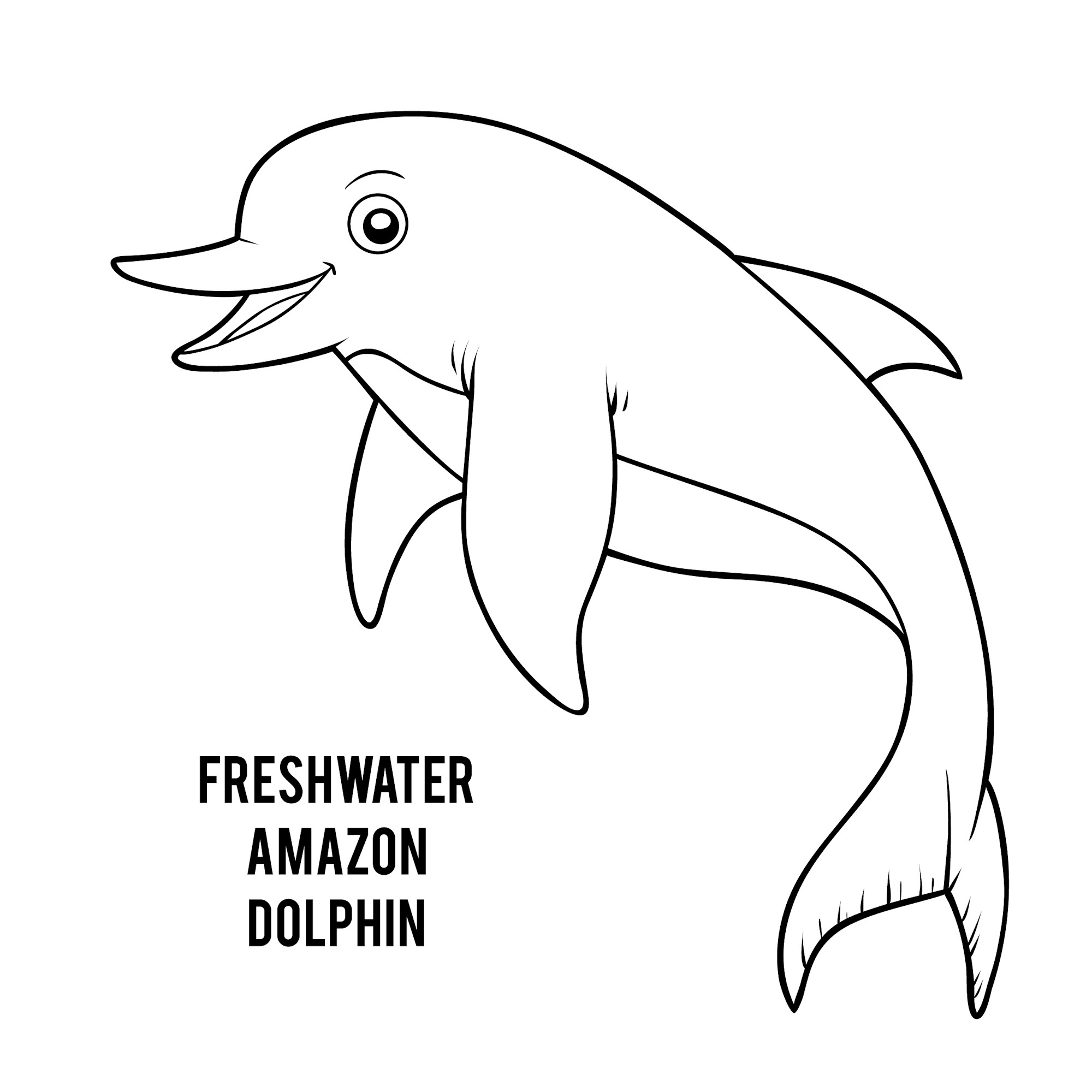
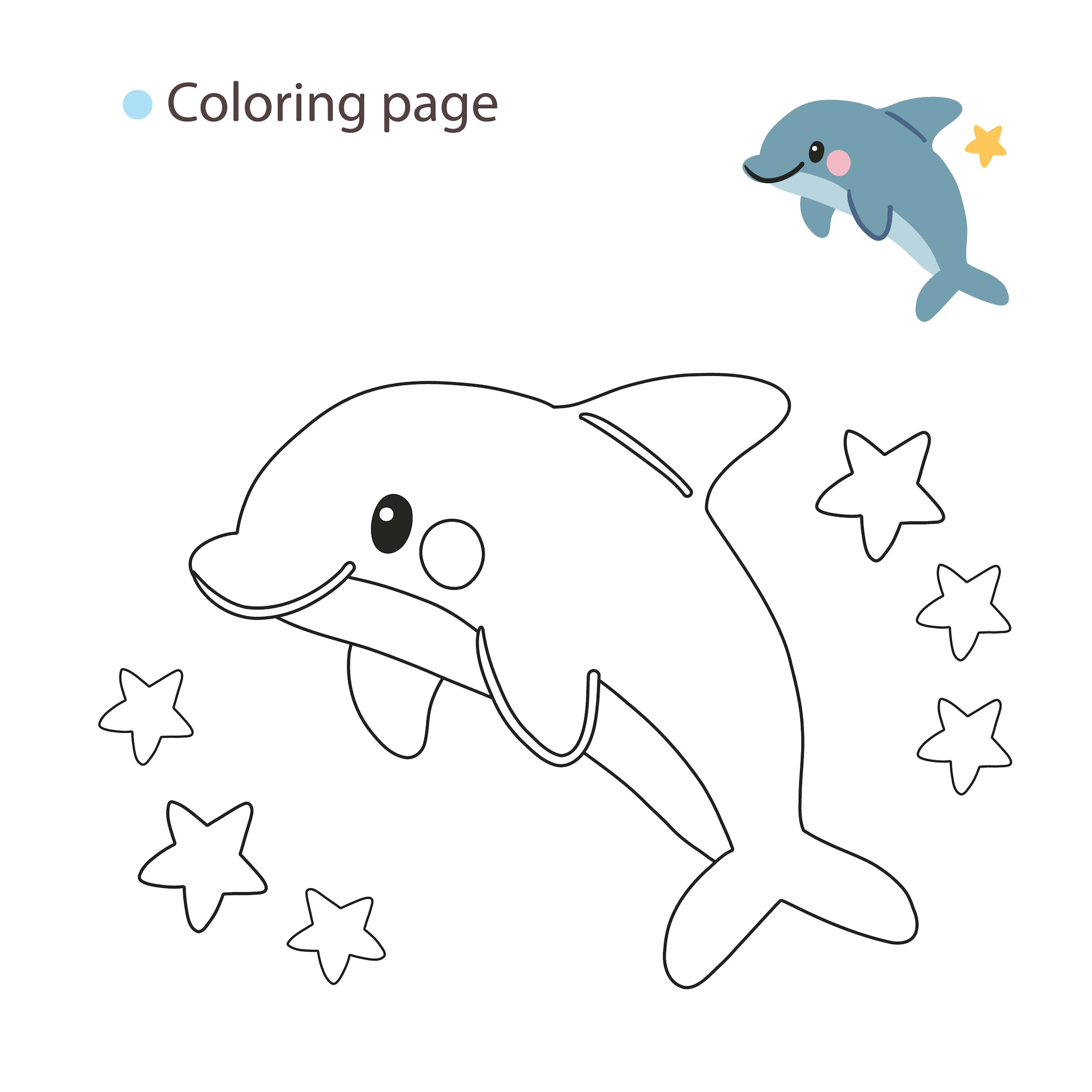
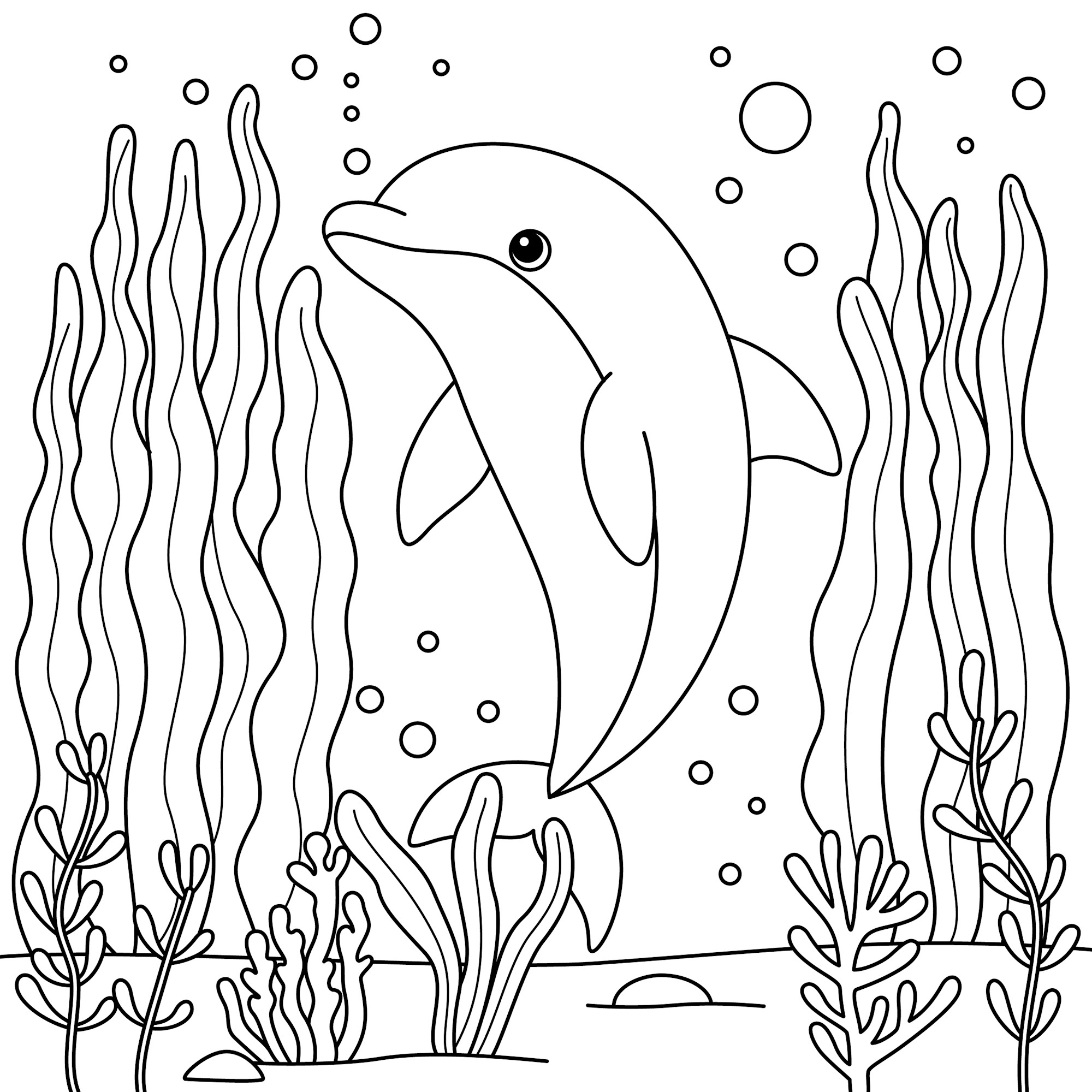
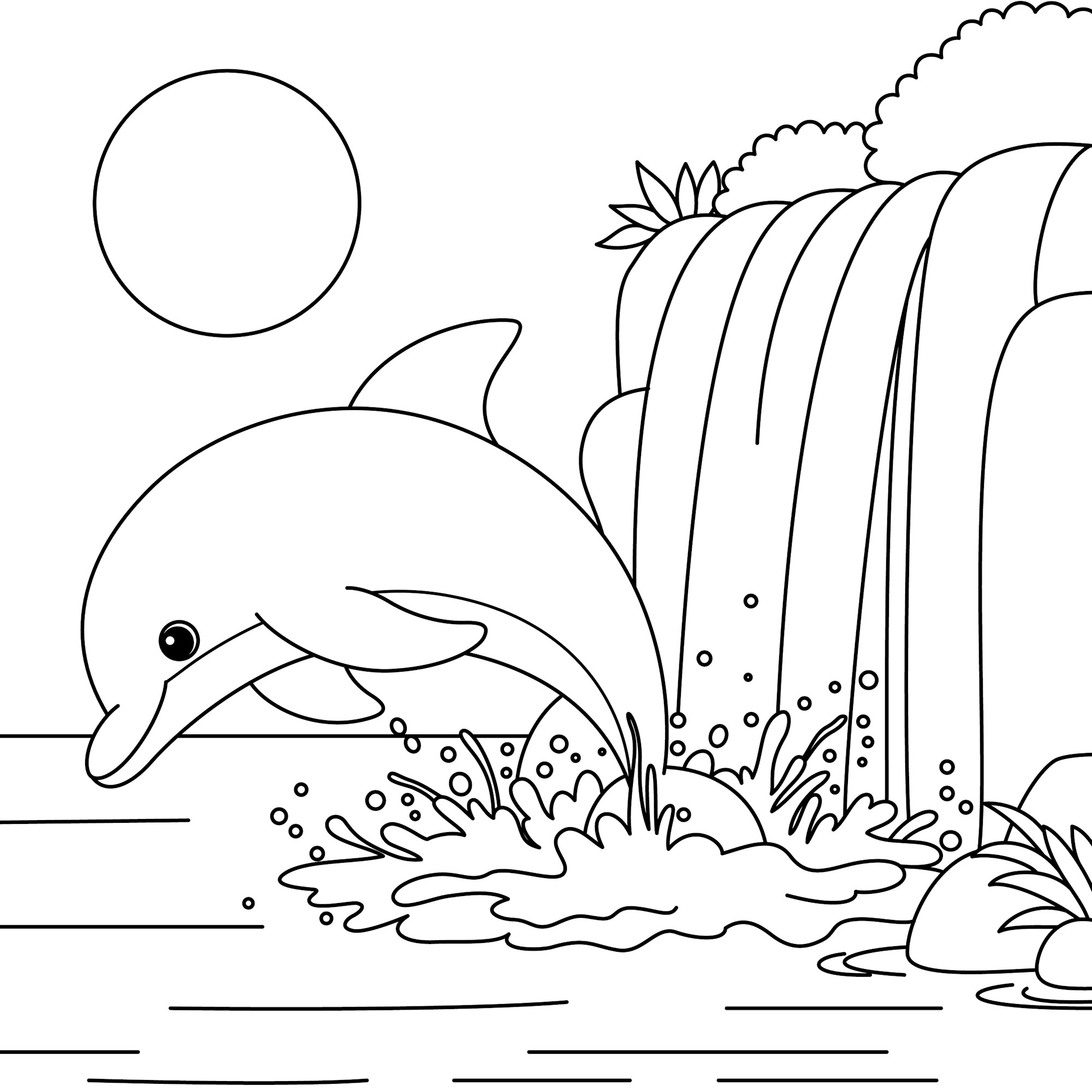
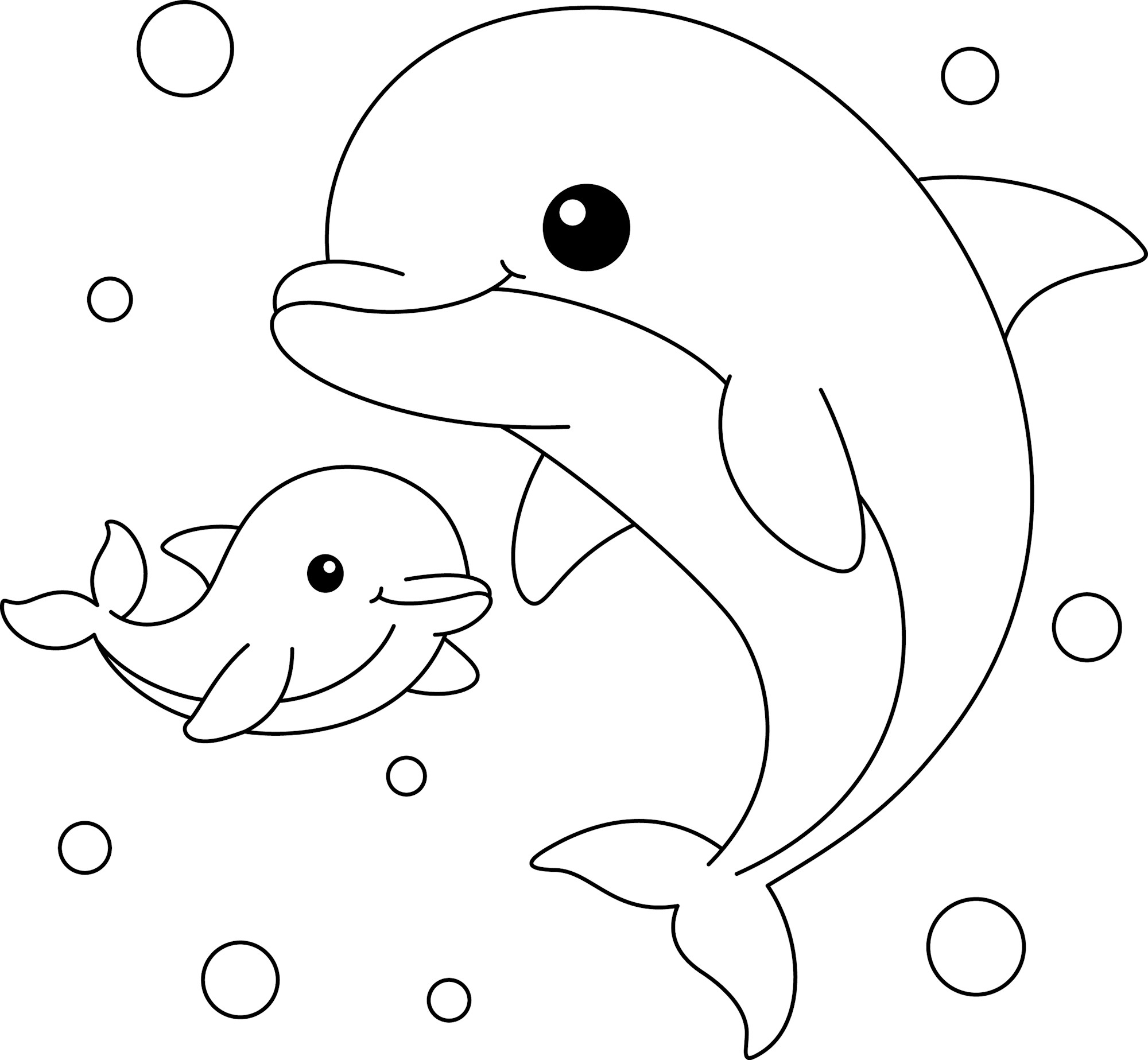
Dive beneath the waves with our collection of dolphin coloring pages, filled with playful dolphins, sweet mothers and babies, underwater adventures, detailed zentangle designs, and adorable kawaii characters.
Dolphins are wonderful animals to color because their smooth, streamlined bodies work equally well in simple children’s designs and intricate artwork. Younger children can enjoy cheerful dolphins swimming, playing, and exploring beneath the waves, while older kids and adults can spend more time with patterned dolphins, rolling ocean waves, seaweed, and detailed underwater backgrounds.
Natural dolphins are often colored in shades of gray and blue-gray, but there is no reason your coloring-page dolphin has to follow the rules. Create a turquoise dolphin swimming through purple water, a pastel baby dolphin beneath rainbow waves, or an elaborate zentangle dolphin filled with jewel tones.
Grab your crayons, markers, or colored pencils and get ready to make a splash.
🖍️ Shop Dolphin Coloring Books
🐬 Explore Our Dolphin Coloring Pages
There is a wonderful amount of variety in this collection.
You’ll find a cute dolphin, mother-and-baby scenes, a mermaid hugging a dolphin, dolphins swimming through underwater landscapes, and simpler designs especially suited to children. Other pages offer much more detail, including doodle and zentangle patterns, scrolling ocean waves, seaweed forests, and elaborate underwater scenery.
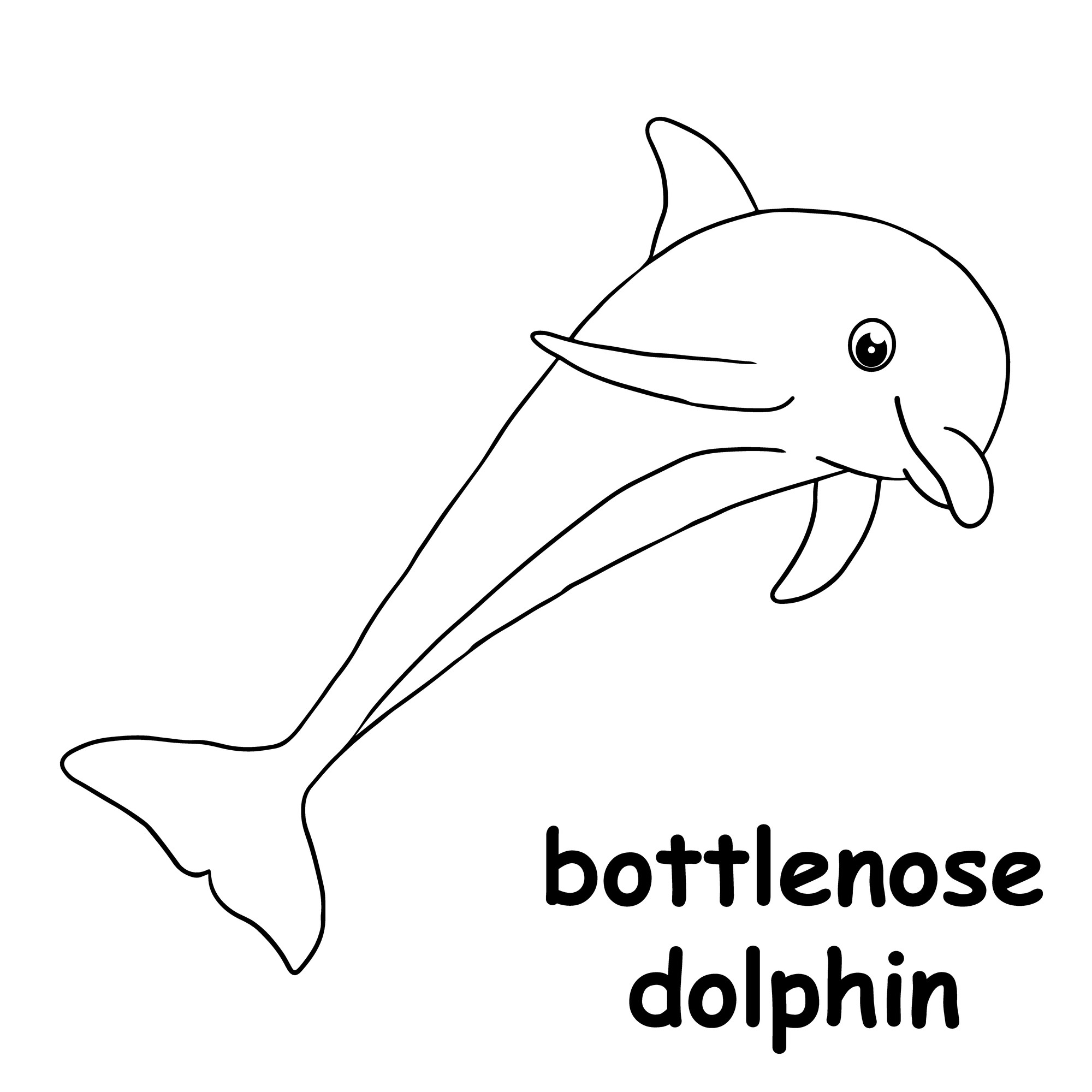
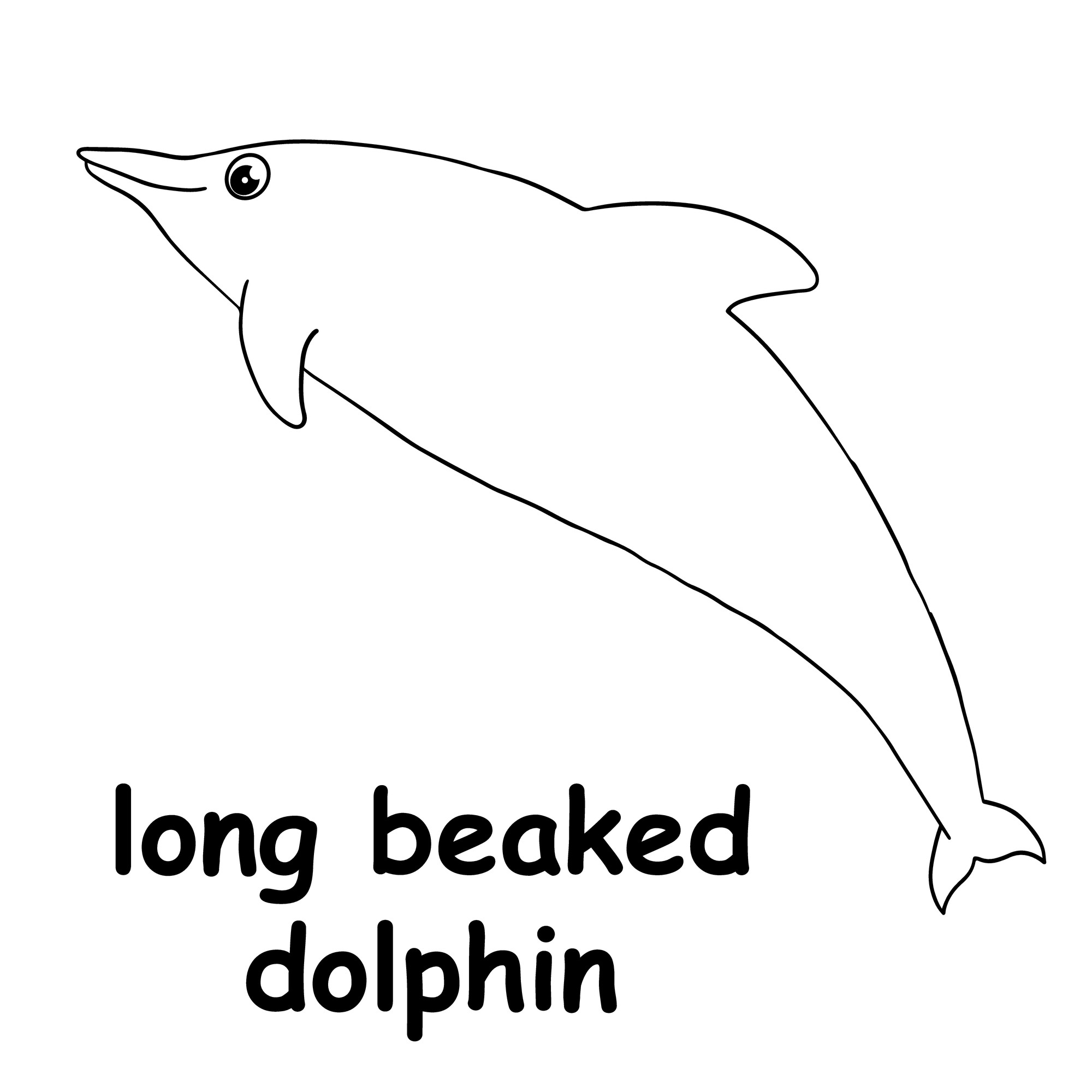
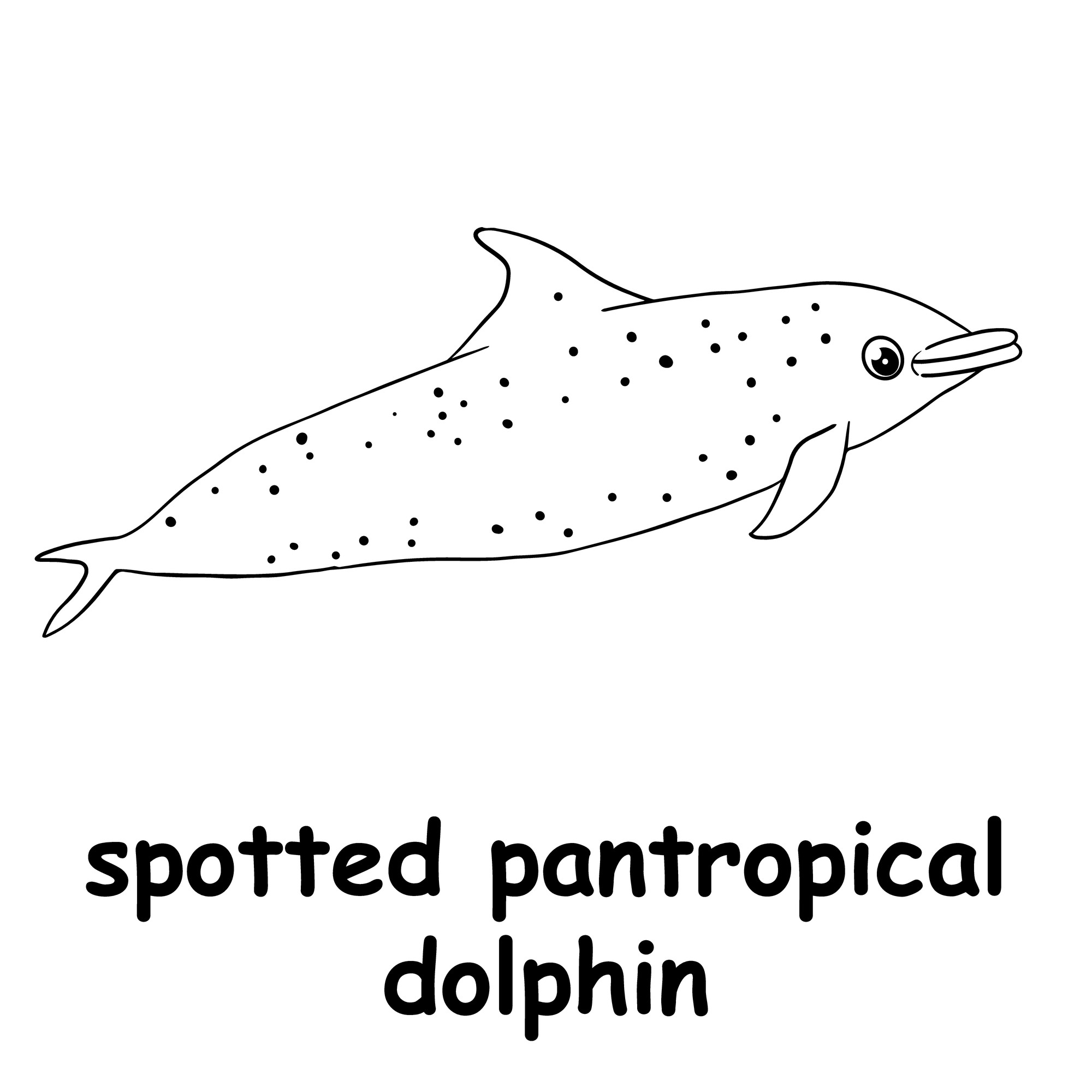
There are also several species-inspired dolphin studies that encourage kids to notice differences in body shape, markings, and snout length rather than imagining that every dolphin looks exactly alike.
For even more adventures beneath the waves, explore our Ocean Coloring Pages.
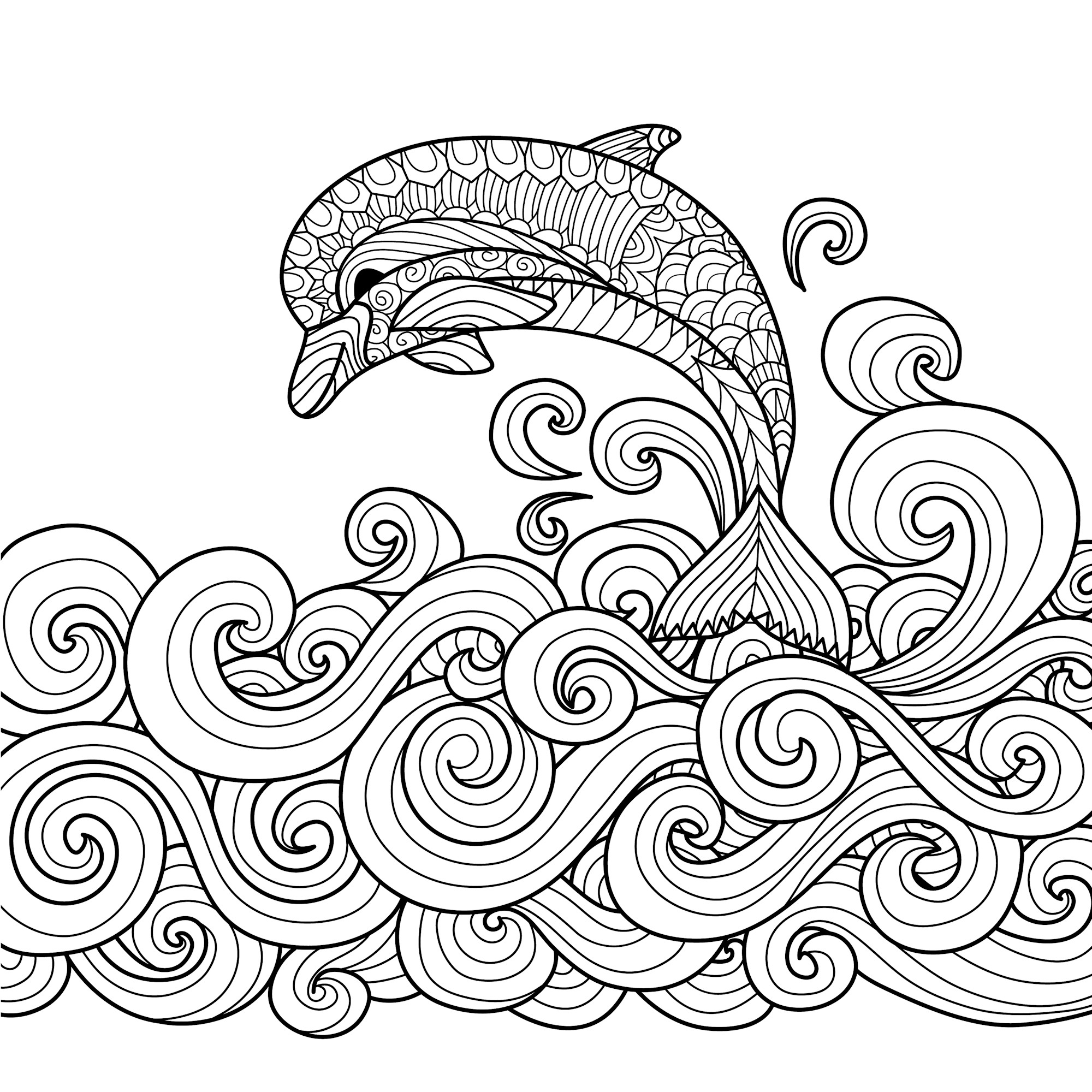
🌊 Zentangle Dolphin With Ocean Waves
One of the most detailed pages features a hand-drawn zentangle dolphin surrounded by scrolling sea waves.
This is a wonderful design for older children, teens, and adults who enjoy intricate coloring. Instead of filling the whole dolphin with one gray shade, treat each pattern as its own little section.
Try a limited ocean palette such as:
- Navy
- Turquoise
- Aqua
- Teal
- Lavender
- Silver
Repeat those colors throughout both the dolphin and waves to bring the design together.
Or go completely in the opposite direction and turn every patterned area into a different rainbow shade.
Fine-tip markers and sharpened colored pencils are especially useful for working inside the smaller details.
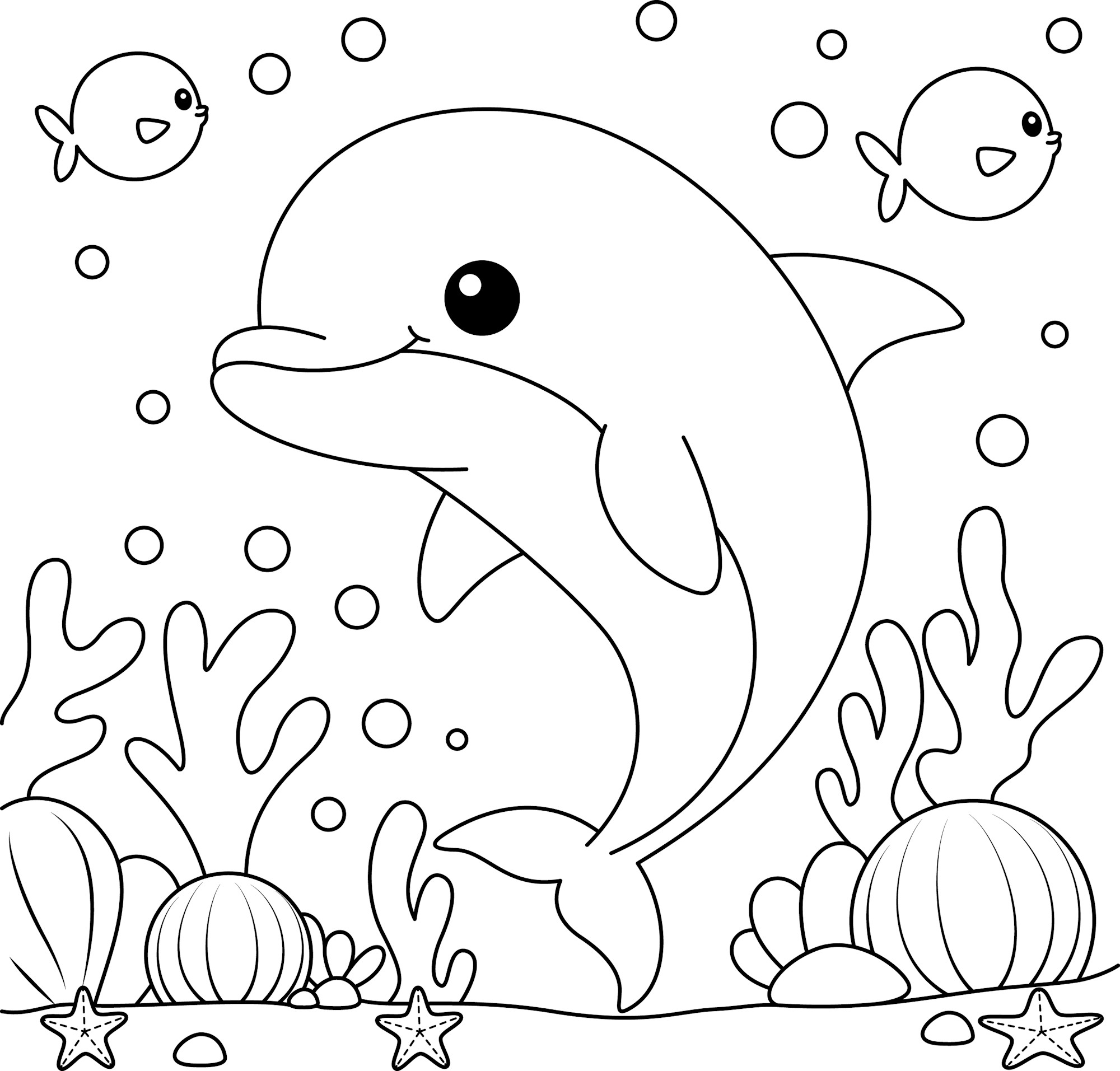
💙 Cute Dolphin Coloring Page
The simple cute dolphin is perfect for younger children or anyone who wants a quicker coloring project.
A classic dolphin could be gray-blue with a pale belly and surrounded by clear blue water. For something sweeter, try pale blue, lavender, mint, pink, or turquoise.
Children can also expand the background by adding:
- Bubbles
- Tiny fish
- Seaweed
- Seashells
- Coral
- Starfish
- Ocean waves
Give the dolphin a name when the picture is finished and imagine where it is swimming.
For more adorable designs, explore our Cute Coloring Pages.
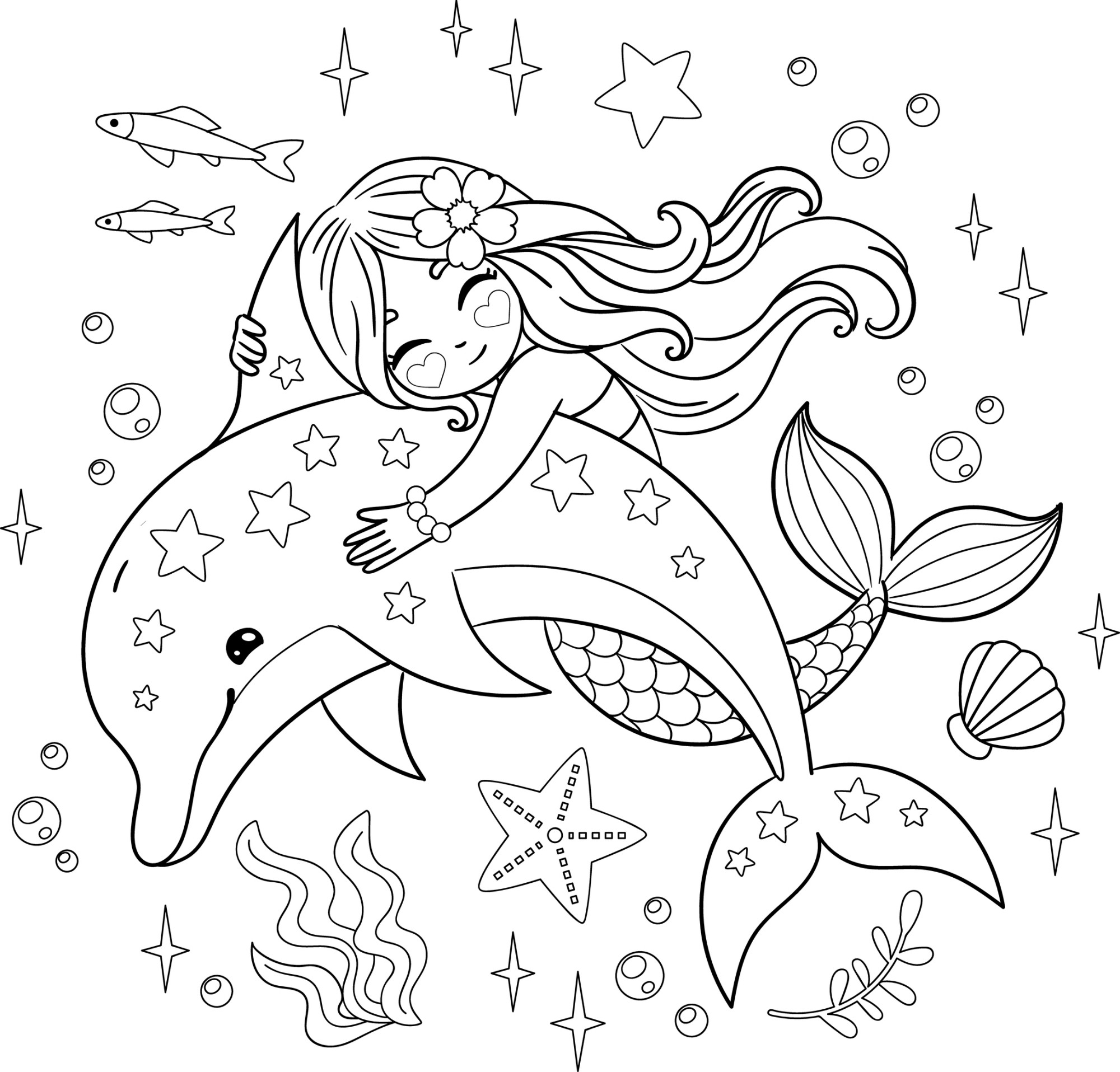
🧜♀️ Mermaid Hugging a Dolphin
One of the most whimsical pictures combines two favorite ocean themes with a cute mermaid hugging a dolphin.
This is the perfect page for fantasy colors.
Give the mermaid a sparkling turquoise tail, purple hair, or a rainbow fin. Then color the dolphin in a coordinating shade such as pale blue, silver, lavender, or aqua.
Build an entire mermaid kingdom around them by adding coral, seashells, pearls, treasure chests, underwater castles, and schools of colorful fish.
If magical underwater worlds are your favorite, continue the adventure with our Coloring Pages of Mermaids.
🌿 Dolphin Swimming Through Seaweed
Several of the designs place dolphins in fuller underwater environments, including a dolphin swimming among seaweed.
These scenes allow you to color much more than the animal itself.
Instead of making every plant green, try combining:
- Emerald
- Olive
- Teal
- Turquoise
- Yellow-green
- Purple
- Rust
- Red
Sea plants can create colorful layers behind the dolphin, while darker blue water in the distance can help the main animal stand out.
Add a few bubbles and little fish between the plants to make the scene feel even busier.
🌀 Detailed Dolphin Doodle Coloring Page
Another dolphin design combines underwater scenery with doodle and zentangle elements, creating plenty of smaller areas for color.
Choose four or five main colors before beginning and repeat them throughout the design.
For example:
Tropical Ocean: turquoise, coral, yellow, green, and violet
Deep Sea: navy, indigo, teal, lavender, and silver
Sunset Ocean: coral, orange, pink, purple, and gold
Pastel Ocean: mint, pale blue, lavender, peach, and pink
A restricted palette can make a complicated picture look surprisingly polished.
👩👧 Mother and Baby Dolphin Coloring Page
The mother dolphin swimming beside her baby is one of the sweetest pictures in the collection.
A young dolphin is called a calf, and dolphin calves remain closely associated with their mothers while they nurse and learn.
Try coloring the mother slightly darker and giving the calf a softer, lighter shade.
Gray-blue, slate, pale gray, and silver can create a natural appearance, while turquoise, lavender, and pastel blue can produce something more playful.
Then add a peaceful underwater background with bubbles, distant fish, rays of sunlight, and gently waving sea plants.
💕 Cute Kawaii Dolphin and Baby
The kawaii dolphin-and-baby page takes the mother-and-calf theme in an especially adorable direction.
Soft pastel colors work beautifully for this style.
Try:
- Baby blue and lavender
- Pink and turquoise
- Mint and pale yellow
- Peach and aqua
- Lilac and silver
Add little hearts or bubbles around the pair and make the ocean just as whimsical as the dolphins.
The water could even be pink or purple rather than blue.
🌎 Dolphin Underwater World
One page opens up into a larger underwater world, making it ideal for children who enjoy filling an entire scene rather than focusing on one animal.
Begin with the dolphin and then gradually work outward.
Color the nearby plants and rocks more brightly, while using softer or darker shades for objects in the distance. This can help suggest depth.
Then add your own details.
Perhaps there is a hidden treasure chest on the ocean floor, an octopus behind a rock, or a sea turtle swimming past.
Our Under the Sea Coloring Pages are perfect for continuing the theme.
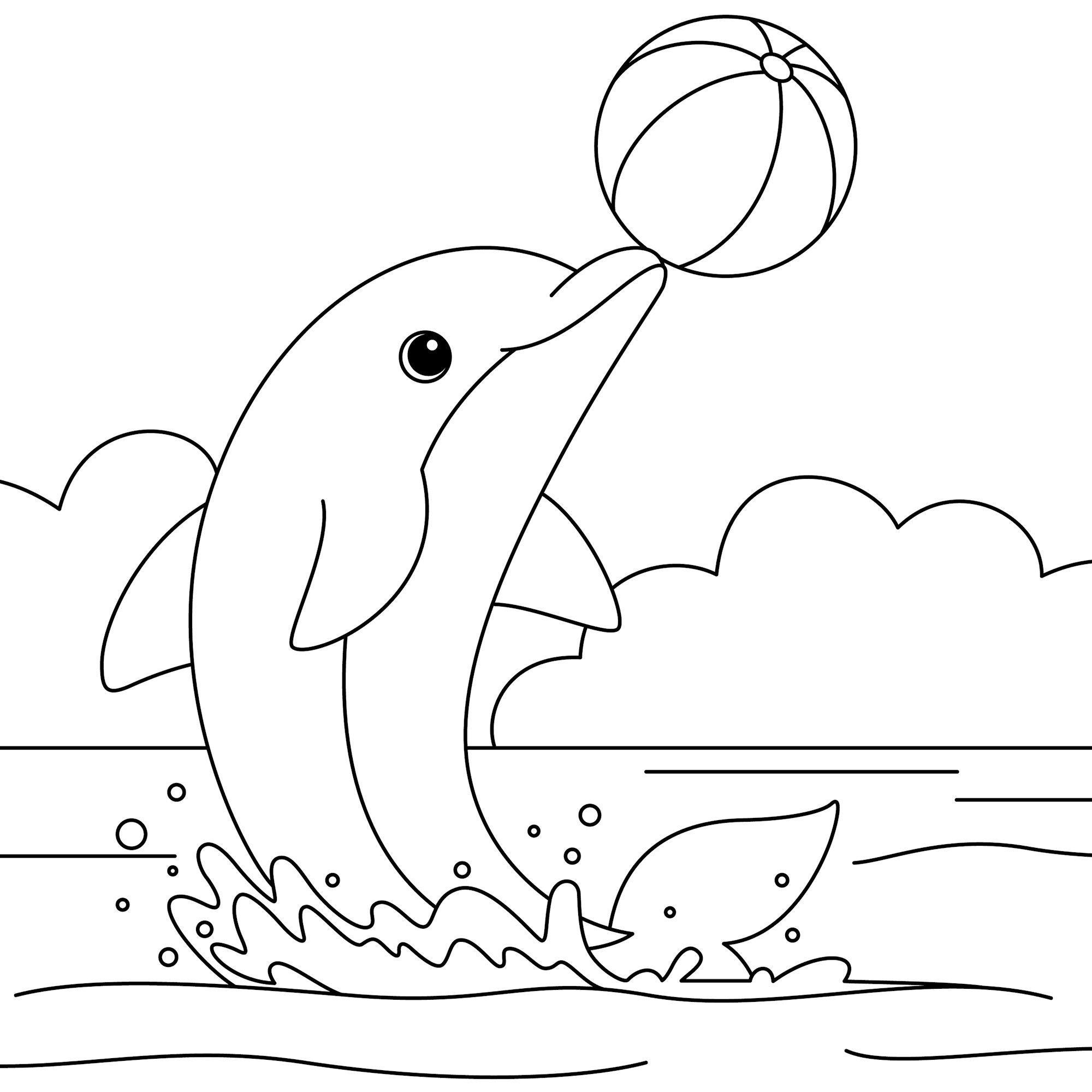
⚽ Dolphin Playing With a Ball
One of the playful designs shows a cute dolphin playing with a ball.
This page is a great excuse to use bright colors.
Give the ball rainbow stripes, stars, polka dots, or a beach-ball pattern and let the dolphin leap through sparkling water.
You could also add splashes and curved movement lines to make the scene look even more energetic.
Then imagine how the game works.
Does the dolphin toss the ball into the air? Is another dolphin waiting just outside the picture? Maybe there is an entire underwater dolphin team.
🌱 Dolphin in a Seaweed Forest
A dolphin in a seaweed forest creates a beautiful habitat-style coloring page.
Use tall green, teal, brown, and gold plants to create layers around the animal. Darker water behind the seaweed can make the dolphin feel as though it is swimming through a hidden underwater forest.
Add small fish weaving between the plants and bubbles rising toward the surface.
For a fantasy scene, turn the seaweed into bright pink, purple, and turquoise plants that glow beneath the waves.
💦 Dolphin Under a Waterfall
The dolphin beneath a waterfall is another unusual scene in the collection.
Water is especially fun to color because it rarely looks like one flat shade of blue.
Try layering:
- Aqua
- Turquoise
- Pale blue
- Royal blue
- Teal
- White
Leave some areas light where the water is splashing or foaming.
You could also add rocks, tropical plants, flowers, or a bright blue sky around the waterfall to create an entire hidden lagoon.
🐬 Different Dolphins to Color
The collection includes several individual dolphin studies inspired by different dolphin types and appearances.
These are especially useful for older children who want to notice differences rather than simply coloring every dolphin identically.
Look at:
- Snout length
- Body shape
- Dorsal fin
- Flippers
- Color patterns
- Spots or markings
Some dolphins have obvious beaks, some have shorter faces, and certain species develop striking patterns.
Kids could choose several designs and give each one its own page in a homemade dolphin book.
🎨 What Colors Are Dolphins?
Many familiar dolphins are colored primarily in shades of gray, but even a realistic dolphin can use much more than one gray crayon.
Try layering:
- Light gray
- Blue-gray
- Slate
- Charcoal
- Silver
- Pale blue
- Creamy white
The upper part of the body can be darker while the underside remains lighter.
For a fantasy dolphin, nearly anything works.
Tropical Dolphin: turquoise, aqua, coral, and yellow
Kawaii Dolphin: baby blue, lavender, pink, and mint
Sunset Dolphin: coral, orange, purple, and gold
Galaxy Dolphin: navy, violet, turquoise, black, and silver
Rainbow Dolphin: every color in the box
🌈 Create a Rainbow Dolphin
A simple dolphin outline can become an excellent gradient activity.
Begin at the nose with red and gradually move through:
Orange → Yellow → Green → Blue → Purple
Or divide the body into sections and give each one a different shade.
Add a rainbow tail, colorful fins, and bubbles filled with different colors.
You can even turn the ocean into a fantasy world with purple waves and pink seaweed.
🐟 Dolphins Are Mammals, Not Fish
Dolphins spend their entire lives in water, but they are mammals rather than fish.
Unlike fish, which obtain oxygen through gills, dolphins breathe air with lungs. They must regularly return to the surface to breathe.
Dolphins also give birth to live young, and mothers nurse their calves with milk.
That makes a dolphin coloring page an easy starting point for comparing marine animals.
Ask children:
Is a dolphin a fish or a mammal?
What about a shark?
What about a whale?
What about a sea turtle?
Then explore several different ocean coloring pages and sort the animals into groups.
💨 What Is a Dolphin Blowhole?
A dolphin breathes through a blowhole located on top of its head.
That position makes it possible for the animal to reach the surface and take a breath without lifting its entire head out of the water.
Look for the top of the dolphin’s head on the coloring page and imagine where the blowhole would be.
Kids can draw the animal surfacing for air and add a splash around it.
This also provides a fun difference to discuss between dolphins and fish: dolphins breathe air, while fish have gills.
📡 How Does Echolocation Work?
Dolphins can use echolocation to gather information about the world around them.
They produce sounds and listen for echoes that return after bouncing from objects.
Those echoes can help a dolphin detect and investigate things in the water, including possible prey.
Turn this into a simple coloring-page activity by drawing curved sound lines coming from the dolphin toward a fish.
Then draw the lines bouncing back.
Label them:
Sound → Object → Echo
It is an easy visual way to introduce a remarkable biological ability.
🐟 What Do Dolphins Eat?
Different dolphin species eat different prey, but many feed on animals such as:
- Fish
- Squid
- Crustaceans
Bottlenose dolphins may hunt individually or cooperate with other dolphins to gather fish into groups.
After coloring a dolphin, draw several little fish nearby and imagine the animal searching for its next meal.
Older kids can research a particular dolphin species and discover what it eats in the wild.
👥 Dolphins Can Be Social Animals
Many dolphins spend time with other dolphins and have complex social lives.
Groups can change over time as animals join, separate, travel, feed, rest, and interact.
Dolphins also use sounds and body movements as part of communication.
That makes group scenes and mother-and-calf pictures especially good story starters.
Add two or three extra dolphins to your page and imagine what they are doing together.
Maybe they are traveling, searching for food, playing, or resting.
🎵 Dolphin Sounds
Dolphins can produce a variety of sounds, including clicks, whistles, and other vocalizations.
Some sounds are connected with communication, while echolocation clicks help dolphins investigate their surroundings.
Turn one of the pages into a comic-style picture.
Draw sound bubbles around the dolphins:
Click! Click!
Whistle!
Or invent symbols representing a secret dolphin conversation.
What do you imagine the dolphins are saying?
🐬 Dolphin Body Parts
A dolphin’s body is beautifully adapted for swimming.
Look for these features on your coloring page:
- Blowhole
- Beak or rostrum
- Dorsal fin
- Pectoral flippers
- Tail flukes
- Streamlined body
The tail flukes provide much of the power for swimming, while the flippers help with steering and control.
The dorsal fin helps provide stability.
Older children can label these body parts after finishing the picture.
🐋 Surprise: Orcas Are Dolphins
The animal commonly called the killer whale or orca is actually the largest member of the oceanic dolphin family.
Its dramatic black-and-white appearance looks very different from the gray bottlenose dolphin many people picture first, but the two animals are relatives.
That makes a fun extra coloring challenge.
Draw an orca beside a smaller dolphin and compare:
- Size
- Color
- Fin shape
- Body shape
- Markings
Then give each animal an underwater habitat.
🐬 Dolphin or Porpoise?
Dolphins and porpoises are related, but they are not exactly the same.
Many dolphins have longer beak-like snouts, more curved dorsal fins, and leaner bodies, while porpoises tend to have shorter faces and more triangular dorsal fins.
Older children can look at pictures of both and try to spot the differences.
This is a good reminder that animal names can sometimes describe closely related creatures that still have important differences.
🌊 Where Do Dolphins Live?
Dolphins occur in many aquatic environments around the world.
Different species may inhabit:
- Open oceans
- Coastal waters
- Bays
- Gulfs
- Estuaries
- Some freshwater rivers
That gives kids many choices when designing a dolphin habitat.
A bottlenose-inspired dolphin might swim through clear coastal water, while a freshwater dolphin scene could use a broad river surrounded by lush vegetation.
The habitat does not always have to be a coral reef.
🌿 Create a Dolphin Habitat
Choose one of the simpler dolphin pages and turn the background into a complete habitat.
Add:
- Fish
- Seaweed
- Coral
- Rocks
- Bubbles
- Seagrass
- Seashells
- Sunlight
- Ocean waves
Think about where the animal is swimming.
Is it close to shore?
Far out in the open ocean?
Near the seafloor?
Inside a colorful fantasy reef?
The same dolphin can look completely different depending on what you draw around it.
🪸 Build a Colorful Reef
Although not every dolphin lives around coral reefs, a fantasy reef makes a wonderful coloring-page background.
Add branching coral, round coral shapes, tropical fish, seaweed, starfish, and shells.
Try bright colors such as:
- Coral pink
- Orange
- Yellow
- Turquoise
- Violet
- Lime green
Keep the dolphin gray or blue so it stands out against the colorful reef—or make the animal just as bright.
For even more ocean creatures, visit our Coloring Pages of Jellyfish.
🐢 Create an Ocean Animal Collection
A dolphin can become the first page in a homemade marine-life book.
Add:
Write the animal’s name at the top of each page and add one or two facts underneath.
When several pictures are finished, staple them together into a personalized ocean book.
🔢 Count the Dolphins
The mother-and-baby and group scenes can also become quick counting activities.
Ask younger children to count:
- Dolphins
- Fins
- Bubbles
- Fish
- Waves
- Seaweed plants
Then add your own objects.
“Draw three fish.”
“Add five bubbles.”
“Put two seashells on the ocean floor.”
Simple additions can turn an ordinary coloring sheet into a playful early-math activity.
🔤 D Is for Dolphin
For preschool and kindergarten learners, pair the page with the letter D.
Write:
D d
Then practice:
D is for dolphin.
Think of other D words such as:
- Dog
- Duck
- Drum
- Door
- Daisy
- Dragon
Kids can draw a few D objects around the page—or simply decorate a giant letter D with ocean waves and tiny dolphins.
🏫 Dolphin Coloring Pages for the Classroom
Dolphin printables work well with ocean, marine mammal, habitat, and animal-classification lessons.
Teachers and homeschool families can use them for:
- Ocean units
- Marine mammal lessons
- Animal classification
- Habitat studies
- Letter D activities
- Counting practice
- Early-finisher pages
- Summer activities
- Creative writing
- Classroom displays
- Science notebooks
A student could color a dolphin and add three facts beneath it, or several students could each choose a different ocean animal and combine their finished pages into a classroom marine-life display.
For more learning ideas, explore our Educational Coloring Pages & Activities.
🌎 Caring for Dolphins and the Ocean
Dolphins share their habitats with countless other marine animals, and healthy oceans are important for all of them.
Different dolphin populations can face threats including entanglement in fishing gear, vessel strikes, pollution, habitat changes, disease, and underwater noise.
For younger children, the conservation message can remain simple:
Ocean animals need healthy oceans.
Kids can help build good habits by putting trash where it belongs, reducing litter, respecting wildlife, and learning more about the animals that live in the sea.
A finished dolphin picture can become a simple Protect Our Ocean poster.
✏️ Draw Your Own Dolphin
After coloring several printables, try drawing a dolphin using simple shapes.
Begin with a long curved body.
Add:
- Pointed or rounded snout
- Dorsal fin
- Two flippers
- Tail flukes
- Eye
- Curved back
Then draw an ocean around it.
Cartoon dolphins do not need to be perfectly realistic. Focus on the smooth shape and sense of movement.
Once the outline is finished, choose a completely original color scheme.
📖 Turn Your Dolphin Into a Story
The collection is full of story possibilities.
Why is the dolphin swimming beneath the waterfall?
Where are the mother and baby going?
What is the dolphin doing with the ball?
How did the mermaid and dolphin become friends?
Perhaps the seaweed forest contains a secret passage to another part of the ocean.
Give your dolphin a name and write several sentences about what happens next.
Older children can choose multiple coloring pages and arrange them into a complete illustrated adventure.
✂️ Dolphin Coloring Page Crafts
Finished dolphin pages can be reused in all kinds of creative projects.
Try turning them into:
- Ocean collages
- Marine-life books
- Classroom displays
- Homemade cards
- Bookmarks
- Puppets
- Storybook illustrations
- Summer decorations
- Ocean fact cards
- Bedroom artwork
Children can also cut out several completed dolphins and arrange them on a large sheet of blue paper.
Add fish, jellyfish, sea turtles, seaweed, coral, and bubbles to create one enormous underwater mural.
🖍️ Dolphin Coloring Tips
For realistic dolphins, start with light gray or blue-gray and gradually add darker shading along the back.
Keep the underside slightly lighter.
Colored pencils are especially useful for this because they allow you to build layers gently.
For underwater scenes, use several blues rather than one:
- Pale blue
- Aqua
- Turquoise
- Royal blue
- Navy
Make nearby objects stronger in color and distant objects softer if you want to create a feeling of depth.
For kawaii and fantasy dolphins, forget realistic shading entirely and use whichever colors make you happy.
🖨️ How to Use Your Dolphin Coloring Pages
Choose your favorite dolphin design and print it at home or in the classroom.
Regular printer paper works well for crayons and colored pencils. Heavier paper may be helpful if you want to use markers, paint, glitter, glue, or other craft supplies.
Then decide what sort of ocean you want to create.
Will your dolphin swim through a natural blue sea, a glowing coral reef, a mysterious seaweed forest, or a magical underwater kingdom filled with mermaids?
Every page can lead somewhere different.
🐬 Make a Splash With Your Creativity
From cute dolphins and mothers with calves to mermaid friends, ball-playing dolphins, seaweed forests, waterfalls, underwater worlds, species-inspired studies, and intricate zentangle designs, this collection offers plenty of ways to explore dolphins through art.
Color a nature-inspired gray dolphin, create a pastel kawaii calf, learn how dolphins breathe and use echolocation, build an underwater habitat, or turn several finished pages into your own ocean story.
Choose your favorite printable, gather your colors, and dive into your next creative adventure.
🖍️ Shop Dolphin Coloring Books
🔗 Related Articles
- Ocean Coloring Pages
- Coloring Pages of the Ocean
- Under the Sea Coloring Pages
- Coloring Pages of Turtles
- Coloring Pages of Sharks
- Coloring Pages of Jellyfish
- Coloring Pages of Mermaids
- Animal Coloring Pages
- Nature Coloring Pages
📚 Sources
- NOAA National Ocean Service — Are Dolphins Fish?
- NOAA Fisheries — Common Bottlenose Dolphin
- NOAA Office of National Marine Sanctuaries — Dolphin Background
- NOAA Ocean Today — Dolphin Anatomy
- NOAA National Ocean Service — What’s the Difference Between Dolphins and Porpoises?
- Smithsonian Ocean — Whales and Dolphins